
Hawai'i’s real estate landscape is unlike anywhere else in the world, and the rise of agri-tourism in Hawai'i is opening a new chapter for property owners across the islands. From Oahu to Maui, Kauai, and the Big Island, property ranges from Waikiki high-rise condos and beachfront bungalows to historic plantation homes and expansive agricultural estates. One thing remains constant across every island: land is limited, demand is strong, and creative property ownership opportunities continue to evolve.
At Hawai'i Life, we see these shifts firsthand. With offices on every major island and a team of local residents who live and work in the communities we serve, we provide real estate brokerage, long-term rental management, and vacation rental services backed by true boots-on-the-ground experience. We understand zoning, neighborhood nuances, visitor demand, and how seasonal trends shape property performance. For owners and investors, having a local partner with this level of insight makes a meaningful difference.
Today, more property owners are discovering how to combine farms with vacation rentals by transforming agricultural land into experiences that visitors actively seek out. From farm stays and tastings to working farms paired with thoughtfully designed accommodations, agri-tourism is creating new income opportunities while supporting local agriculture and community connection.
For property owners, investors, and buyers, this movement offers a powerful way to diversify income, maximize land use, and help build a more sustainable future for Hawai'i real estate.
What Is Agri-Tourism in Hawai'i?
Agri-tourism in Hawai'i refers to agricultural properties that combine active farming with visitor experiences such as farm tours, tastings, workshops, and overnight stays. These properties remain working agricultural operations while welcoming guests who want to connect with the land, learn about local farming, and experience a more authentic side of the islands.
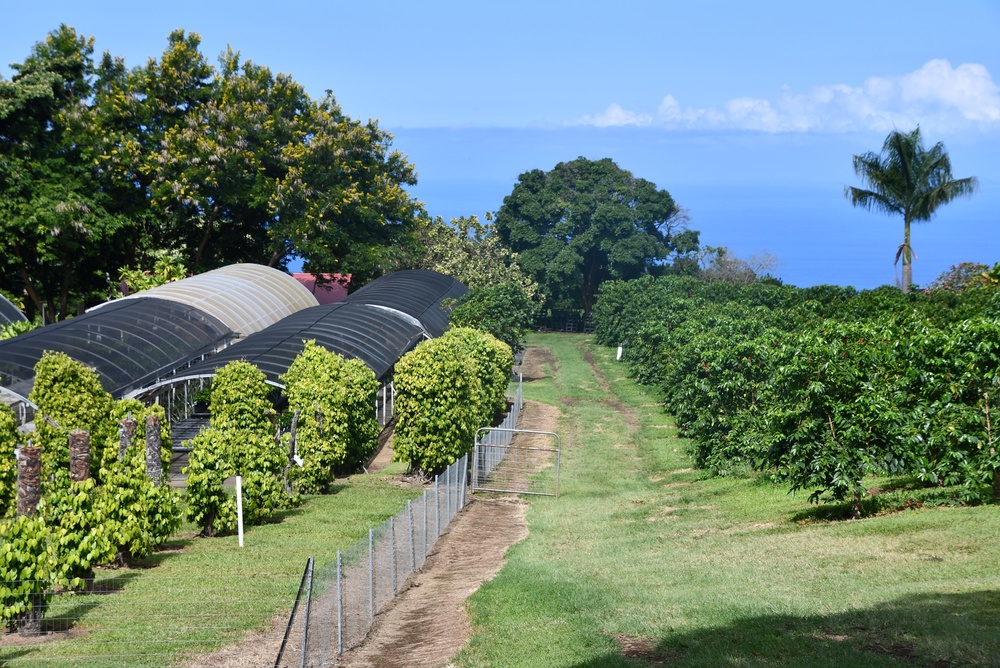
Across Hawai'i, this concept takes many forms. Coffee farms on the Big Island host guided tastings and tours. Upcountry Maui farms invite visitors to pick strawberries, sample fresh produce, and enjoy sweeping ocean views. On Kauai and Oahu, orchard farms, ranches, and taro fields are creating opportunities for guests to learn about local agriculture while supporting small businesses and local food systems.
Agri-tourism also extends beyond farm tours. Farm stays and vacation rentals located on agricultural land allow visitors to wake up surrounded by open space, experience rural island life, and participate in activities like farmers' markets, harvest days, and farm-to-table dining. For travelers increasingly seeking meaningful and sustainable experiences, these offerings provide a welcome alternative to traditional resort travel.
For property owners, this growing interest is opening the door to new possibilities that blend agriculture, hospitality, and long-term land stewardship.
Why Agri-Tourism Is Rising Across the Islands
Agri-tourism is not a passing trend in Hawai'i. It reflects a broader shift in how visitors choose to experience the islands and how property owners think about long-term land use. Travelers today are increasingly drawn to experiences that feel authentic, educational, and connected to the local community. Instead of only visiting beaches and resorts, many visitors now seek opportunities to understand where Hawai'i’s food comes from, meet local farmers, and spend time in rural settings that feel peaceful and personal.
At the same time, Hawai'i’s limited land supply continues to shape the real estate market. With limited space available across the islands, property owners are looking for ways to make thoughtful, efficient use of their land while maintaining long-term value. Agricultural properties naturally lend themselves to this approach. They offer room for a primary residence, space for farming or ranching, and the potential to host visitor experiences that create additional income.
Each island offers its own unique agri-tourism landscape. The Big Island is known for coffee farms, cacao, and large agricultural parcels. Maui’s Upcountry region blends farming with scenic beauty and strong visitor appeal. Kauai’s lush landscape supports orchards, taro farms, and small-scale agriculture, while rural areas of Oahu offer a rare combination of proximity to Honolulu and country living. Together, these factors are driving growing interest in farm stays, tours, and agriculture-based visitor experiences.
The Flexibility of Agricultural Land in Hawai'i
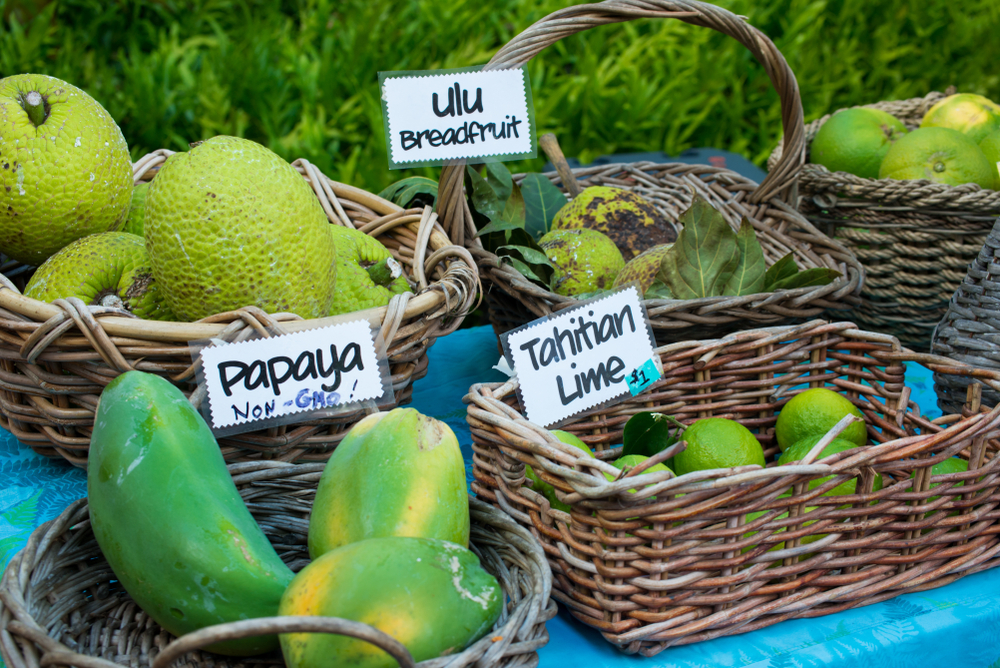
One of the biggest misconceptions about agricultural land in Hawai'i is that it can only be used for farming. In reality, agricultural zoning often offers more flexibility than many buyers and owners expect, especially when properties meet acreage requirements and comply with county-specific regulations.
In many cases, owners can build a primary residence on agricultural land while operating a working farm. Some properties already include homes with unused acreage that can be repurposed for crops, orchards, or small livestock operations. Others offer a blank canvas for buyers who want to design a property that blends residential living with agriculture from the ground up.
A common question we hear is whether vacation rentals are allowed on agricultural land. The answer depends on county regulations, zoning classifications, and permitting requirements. When done correctly and in compliance with local rules, some agricultural properties can incorporate hosted stays, farm tours, or other visitor accommodations that complement agricultural use.
This flexibility is one of the reasons agricultural properties are attracting attention from investors and lifestyle buyers alike. With the right planning and guidance, agricultural land can support a residence, a working farm, and carefully structured visitor experiences that align with local regulations and community priorities.
Income Potential and Portfolio Diversification
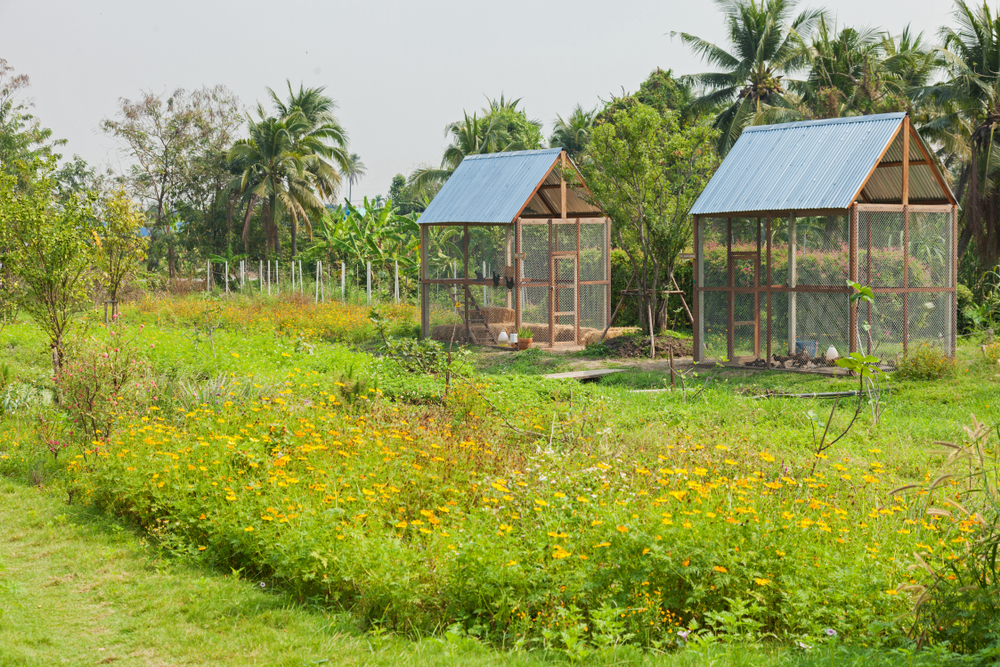
For many property owners, agri-tourism offers an opportunity to create multiple income streams from a single property. Instead of relying on a single source of revenue, agricultural properties can generate income through a combination of farm products, visitor experiences, and accommodations, when permitted by county regulations.
A working farm may sell produce directly through farm stands, community-supported agriculture programs, or local farmers' markets. Adding tours, tastings, or workshops can create additional revenue while helping visitors better understand Hawai'i’s agricultural heritage. When overnight accommodations are part of the property’s permitted use, farm stays can further expand earning potential by appealing to travelers seeking peaceful surroundings and meaningful experiences.
This diversified approach can be especially attractive for owners who already have long-term or short-term rentals and are looking to expand their portfolio. Agricultural properties offer the opportunity to balance lifestyle and investment goals while creating a property that stands out in the marketplace. Like any real estate investment, income potential varies based on location, acreage, amenities, and management strategy. Still, the ability to combine multiple revenue sources makes agri-tourism an appealing long-term strategy.
Legal Considerations and Permitting
Successfully combining agriculture and hospitality in Hawai'i requires a clear understanding of zoning, county regulations, and permitting processes. Rules can vary significantly across Oahu, Maui, Kauai, and the Big Island, which is why local expertise is important when planning an agri-tourism property.
Property owners often ask whether agritourism is legal in Hawai'i and whether special permits are required. In many cases, the answer is yes. Counties may require permits for hosted farm tours, educational activities, events, or visitor accommodations. Requirements can depend on factors such as zoning classification, property size, infrastructure, and the type of experiences offered.
Understanding short-term rental regulations is also essential when considering hosting overnight guests on agricultural land. Some counties allow certain types of hosted accommodations, while others have more limited pathways. Navigating these rules early in the process helps avoid delays and ensures that the property operates in compliance with local guidelines.
Working with professionals who understand county-level regulations, permitting timelines, and land use requirements can make the process significantly smoother. With proper planning and due diligence, many property owners successfully create agricultural properties that support both farming and visitor experiences.
Community Impact and Sustainable Growth
Agri-tourism offers more than financial opportunity. It supports the long-term health of Hawai'i’s communities and landscapes. By keeping agricultural land active and productive, property owners help preserve open space, protect rural character, and strengthen local food systems.
Visitors who participate in farm tours, markets, and farm stays gain a deeper understanding of the islands and the people who live here. This type of tourism encourages slower travel, meaningful connections, and greater respect for the land. It also creates opportunities for collaboration between farmers, small businesses, and local artisans who contribute to the visitor experience.
For many owners, this alignment with sustainability and community stewardship is just as important as the income potential. Agri-tourism allows properties to remain rooted in agriculture while welcoming guests in a way that feels thoughtful and responsible.
Who Should Consider Agri-Tourism?
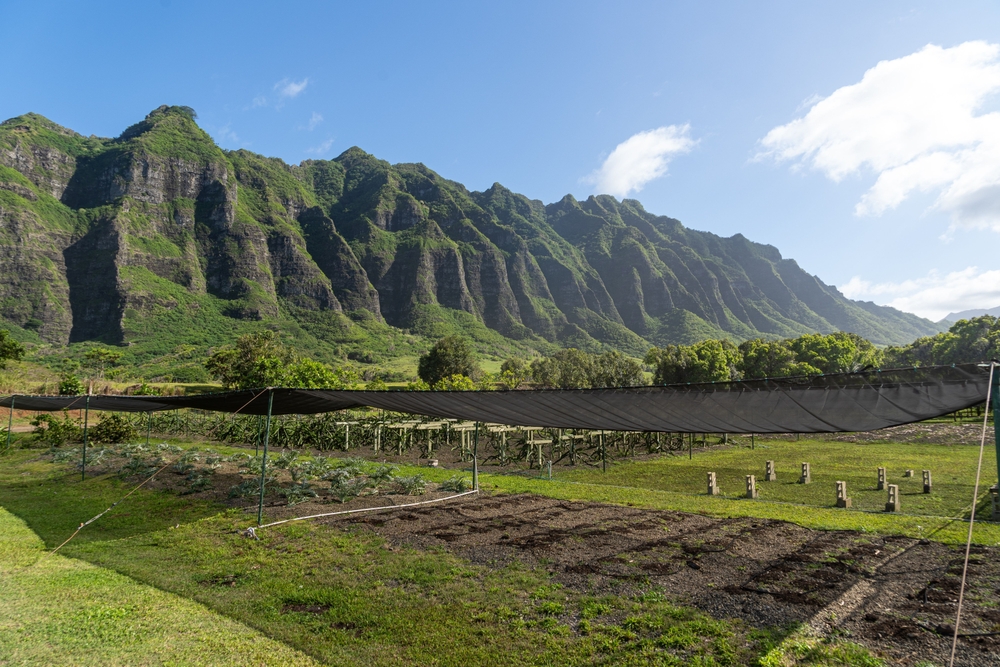
Agri-tourism can appeal to a wide range of property owners and buyers. Some already own agricultural land with unused acreage and are exploring new ways to make the most of it. Others are investors searching for rural income properties that offer both lifestyle and long-term value. Buyers relocating to Hawai'i or purchasing a second home may also be drawn to the idea of combining residential living with agricultural and hospitality opportunities.
This path can be especially appealing to owners of long-term or short-term rentals who want to diversify their portfolio and create a property that stands out in a competitive market. At the same time, it is important to approach agri-tourism with realistic expectations. Running a farm or hosting visitors requires planning, effort, and a willingness to learn. Understanding regulations, infrastructure requirements, and operational responsibilities is essential to the process.
For the right owner, however, agri-tourism offers a unique way to blend lifestyle goals, investment strategy, and community connection.
How Hawai'i Life Helps Property Owners Succeed
Creating a successful agri-tourism property requires more than a great idea. It takes local market knowledge, regulatory guidance, and a clear strategy for long-term property performance. This is where Hawai'i Life provides meaningful support.
With offices on Oahu, Maui, Kauai, and the Big Island, our team understands the unique character of each island and the differences in county regulations, zoning, and visitor demand. We help buyers identify agricultural properties that align with their goals, whether they are searching for a lifestyle purchase, an investment opportunity, or a combination of both.
For existing property owners, our services extend beyond real estate transactions. Hawai'i Life provides vacation rental management, long-term rental management, and marketing expertise designed specifically for Hawai'i’s unique market. From evaluating income potential to helping owners navigate local regulations and positioning properties for success, our team offers a full-service approach backed by local experience.
Discover a Smart Way to Grow in Hawai'i Real Estate
Agri-tourism represents an exciting evolution in Hawai'i real estate. By combining agriculture, visitor experiences, and thoughtful property management, owners can create diversified income opportunities while supporting local communities and preserving open space.
As visitor preferences shift toward meaningful, sustainable travel, properties that offer authentic farm experiences and peaceful rural settings are gaining attention. With the right planning and guidance, agricultural land can become a valuable part of a long-term real estate strategy.
If you currently own agricultural property or are considering purchasing land in Hawai'i, Hawai'i Life is here to help you explore your options. Our team can guide you through property selection, zoning considerations, and management strategies designed for long-term success.
Reach out to us and learn how your property can become part of Hawai'i’s growing agri-tourism movement.