
Visiting Hawai'i is an unforgettable experience, and we're grateful you're taking the time to learn about the islands before you arrive. At Vacations Hawai'i Life, we welcome guests from around the world to our vacation rentals across Oahu, Maui, Kauaʻi, and the Big Island. Travelers often look to us for guidance on how to explore Hawai'i with care, curiosity, and respect, and we're honored to be that trusted local resource. Each island offers something special, from dramatic volcanic landscapes to rainforests and world-class beaches. What makes Hawai'i truly magical, though, is its culture. It's shaped by centuries of Native Hawai'ian traditions and a diverse community that continues to cherish the land, the ocean, and each other.
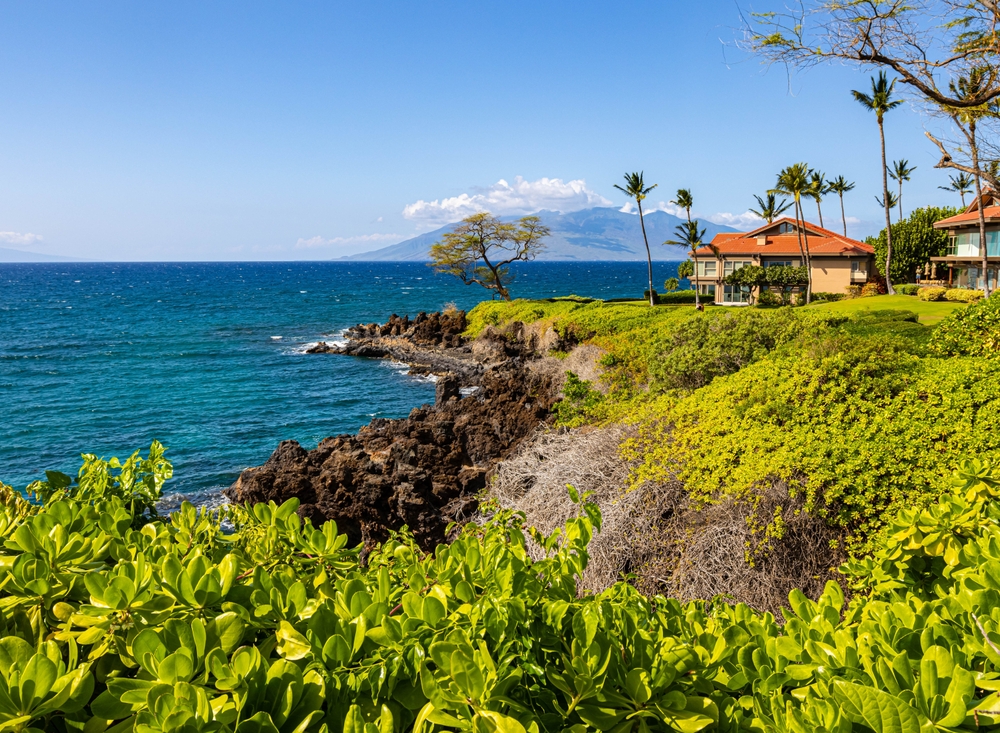
Understanding how to travel respectfully in Hawai'i doesn't just help protect the environment. It deepens your trip and enables you to feel more connected to the people and places you meet along the way. In this article, you'll learn simple and meaningful ways to care for the land, honor the ocean, and appreciate the local culture during your stay with us. These Hawai'i visitor guidelines are easy to follow and help ensure that your visit leaves a positive impact long after you return home.
Caring for Hawai'i’s Land
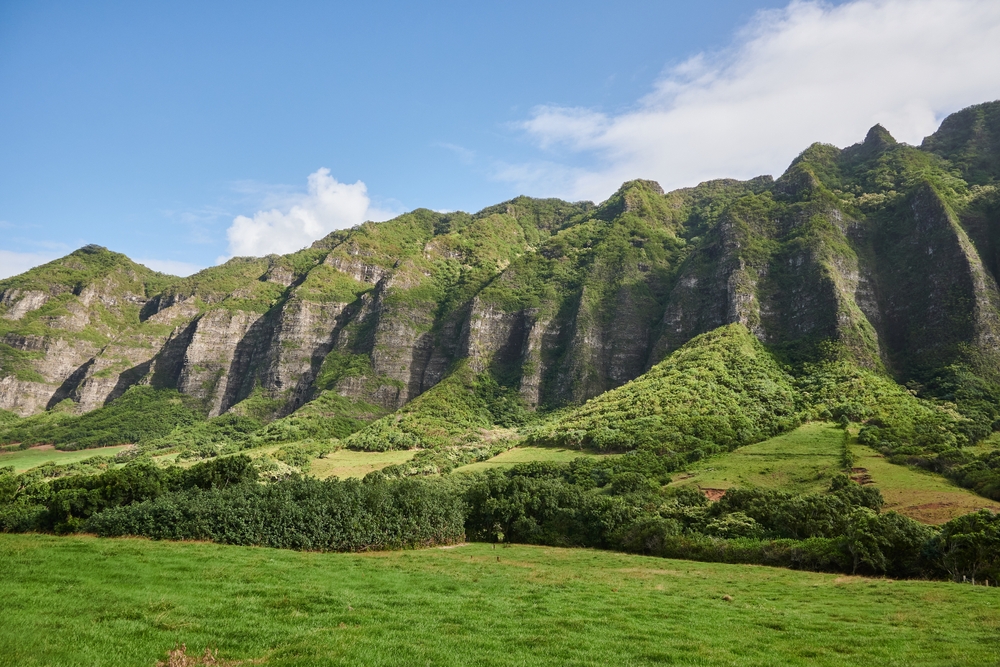
The Hawaiian concept of mālama ʻāina encourages everyone, whether resident or visitor, to care for the land with intention. The land is a living relative, and when we protect it, it continues to sustain us. Practicing responsible travel in Hawaiʻi begins with understanding this relationship. Simple habits can make a big difference in keeping these islands healthy and beautiful.
One of the most important steps is to stay on marked trails when hiking. Hawaiʻi's landscapes are incredibly diverse, with everything from delicate alpine vegetation on Mauna Kea to rainforests on Kauaʻi. Leaving marked areas can damage native plants, cause erosion, and put hikers in unsafe situations. Many trails pass through culturally significant places, so following posted signs shows respect for both the environment and the heritage that surrounds it.
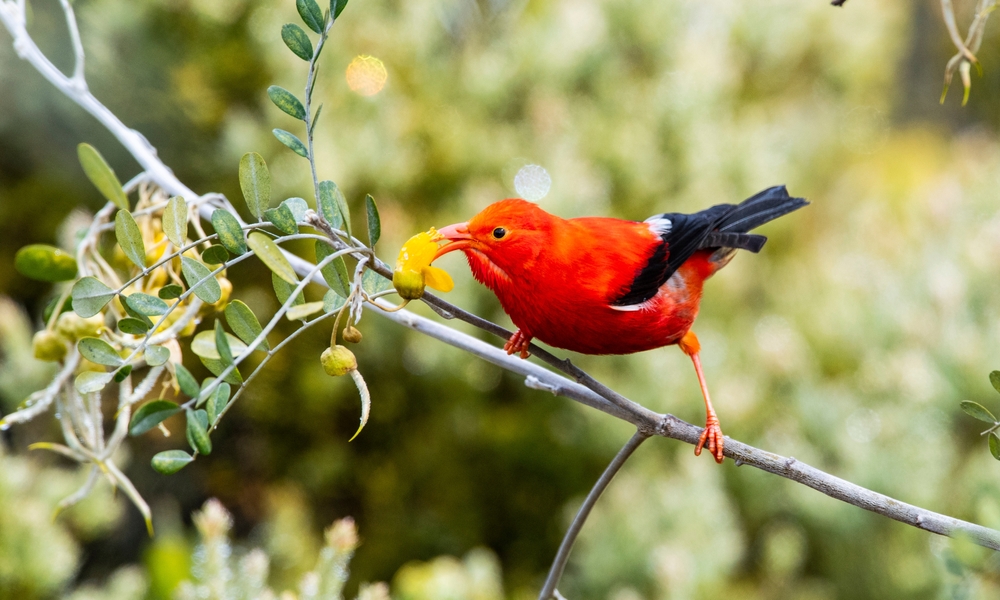
Visitors can also help protect wildlife by giving animals plenty of space and never feeding them. On land, you may encounter nēnē geese, owls, or native insects that play key roles in the ecosystem. Feeding wildlife changes their behavior and can harm their health. Observing from a distance keeps both you and the animals safe.
Waste reduction is another helpful practice. Packing reusable water bottles, food containers, and shopping bags reduces the amount of trash sent to local landfills. Recycling is available on most islands, but minimizing waste from the start is even better. Choosing reef-safe sunscreen is also part of caring for the land, since chemicals from traditional sunscreens wash off and eventually reach the ocean. Mineral sunscreens made with zinc oxide or titanium dioxide are safer alternatives for both people and ecosystems.
Some visitors enjoy taking their connection a step deeper by participating in volunteer opportunities. Many community groups welcome help with beach cleanups, native forest restoration, and taro patch maintenance. Even a short visit can leave a lasting contribution. These experiences allow travelers to engage meaningfully while practicing Hawaiʻi conservation tips that directly and genuinely matter.
Protecting Hawai'i’s Oceans
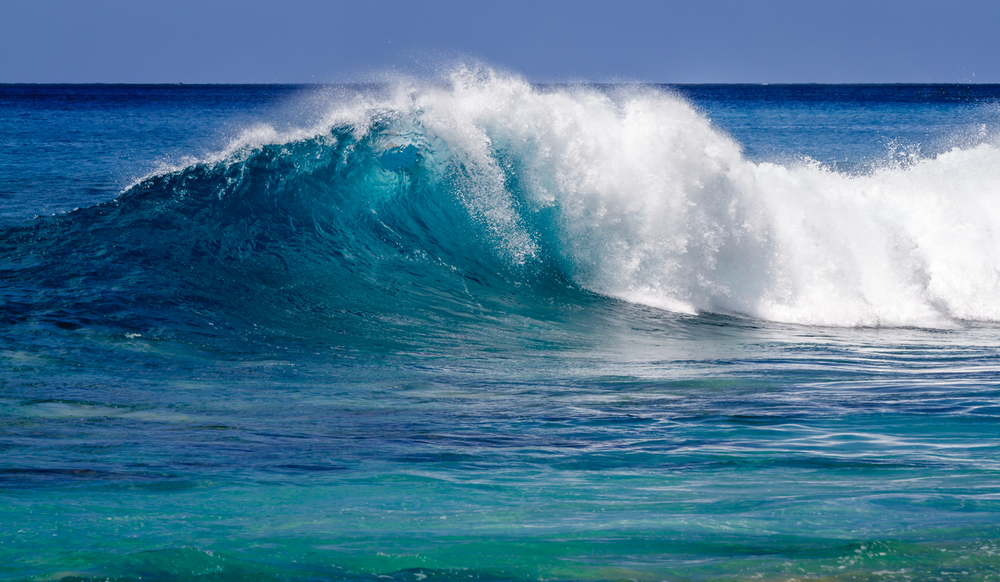
The waters surrounding Hawaiʻi are home to living coral reefs, endangered marine species, and countless fish found nowhere else in the world. The ocean is central to Hawai'i's identity and daily life, so treating it with care is essential. Protecting Hawai'i's ocean and reefs ensures that the beauty you see during your visit remains for future generations.
Understanding ocean safety is the first step. Conditions can change quickly, and even experienced swimmers can be caught off guard by strong currents, high surf, rogue waves, or hidden rocks. Always read posted signs, listen to lifeguards, and choose beaches that match your comfort level. Each island has a mix of calm swimming beaches and more challenging shorelines. Knowing the difference helps keep your day fun and safe. Rule #1: Never turn your back on the ocean.
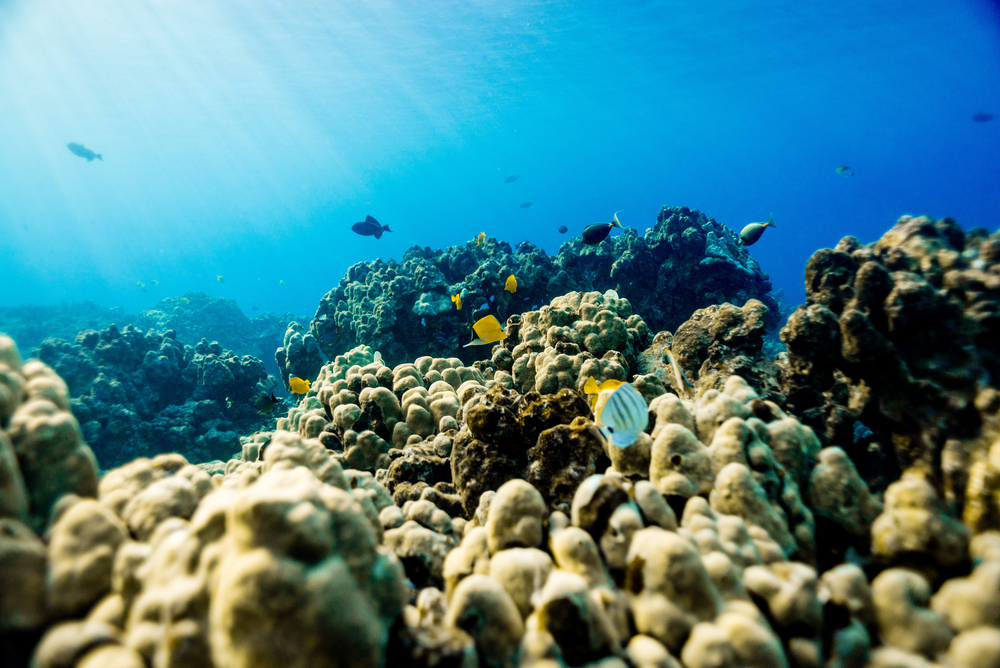
When snorkeling or swimming near reefs, it's important not to touch coral. Coral is a living organism, and even a gentle tap can cause damage that takes years to heal. Maintaining a few feet of space between yourself and the reef keeps you safe from sharp edges and helps preserve the ecosystem. Floating calmly above the reef rather than standing on it is one of the simplest ways to travel respectfully in Hawai'i's waters.
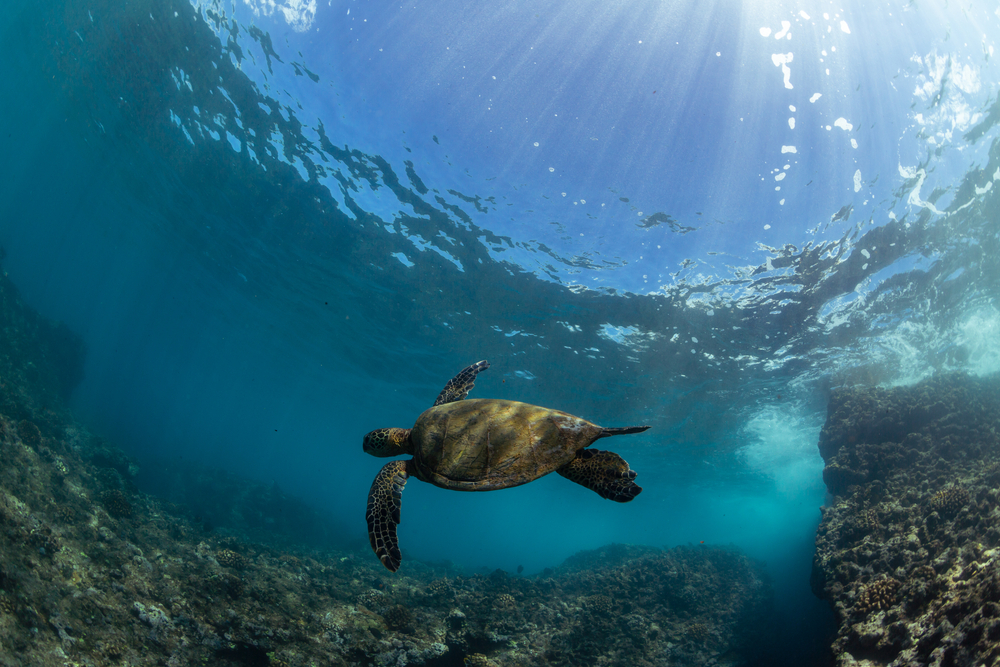
Marine animals such as turtles, monk seals, and dolphins are common sights, especially on Kauaʻi and Maui. Hawai'i's laws and federal laws protect these animals, and visitors are required to keep a respectful distance. If a seal or turtle approaches you, stay still and let the animal decide where to go. In this way, we protect their natural behavior and allow everyone to enjoy a peaceful encounter.
Reef-safe sunscreen is another critical part of ocean stewardship. Traditional chemical sunscreens contain ingredients that harm coral reefs, but mineral-based options provide adequate protection without damaging marine life. Applying sunscreen at least 15 minutes before entering the water gives it time to absorb and reduces runoff into the sea.
Boaters, paddlers, and kayakers should also pay close attention to water depth and marine life. Anchoring on sand rather than coral, avoiding shallow reef areas, and steering clear of wildlife help maintain healthy ocean environments. These Hawai'i eco-friendly travel practices keep the ocean vibrant for both locals and future visitors.
Appreciating & Respecting Local Culture
Hawai'i's culture is rooted in deep traditions, strong community values, and a unique sense of place that continues to evolve through generations. Travelers often comment that the islands feel different from any other destination, and this is hands down due to the respect residents hold for the land, the ocean, and each other. Showing appreciation and respect for Hawai'i's local culture won't just enhance your vacation in Hawai'i; it will also help support a community that welcomes millions of visitors each year.
Learning everyday cultural etiquette in Hawai'i is a great place to start. Simple gestures speak volumes. Removing your shoes when entering someone's home, being patient during conversations, and practicing kindness in daily interactions reflect values that are deeply held in island communities. An aloha with a warm smile and the willingness to listen goes a long way in building positive connections.
Understanding Hawaiian place names and pronunciations is another thoughtful way to show respect. Many names describe the history or natural features of an area. Taking time to learn these words and say them correctly preserves cultural identity and deepens your sense of belonging during your stay. Even small efforts feel meaningful to those who live here.
Visitors will also encounter sacred places throughout the islands. These include heiau, fishponds, birthing pools, burial sites, and petroglyph fields. When exploring these areas, stay on designated paths, avoid climbing on structures, and do not remove stones or artifacts. These sites carry immense cultural and spiritual significance, and treating them with care shows respect for Hawaiian history.
Supporting local businesses is another meaningful expression of mālama Hawaiʻi. Choosing locally owned restaurants, booking activities with Native Hawaiian or local guides, and purchasing goods from artisans and farmers directly benefits island communities. It also gives visitors a more authentic experience, connecting them with the creativity and craftsmanship that thrive here.
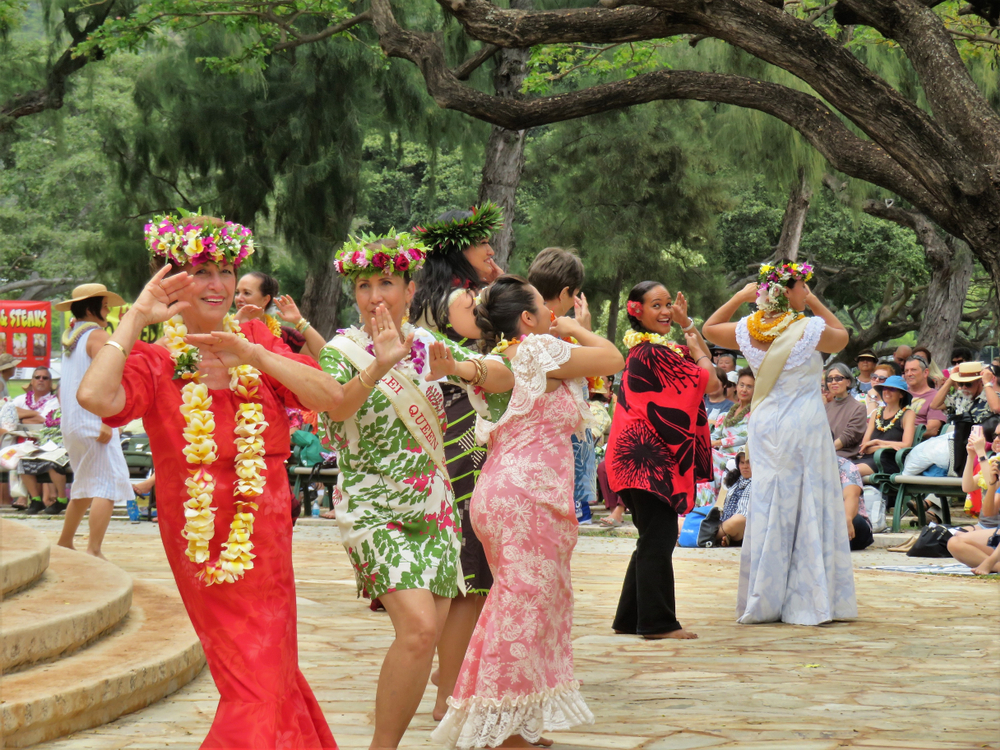
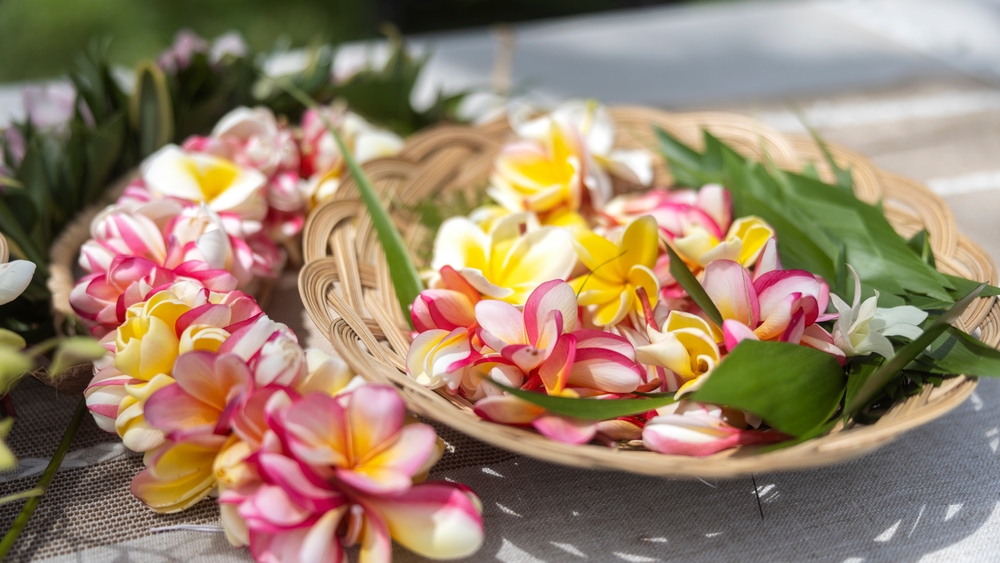
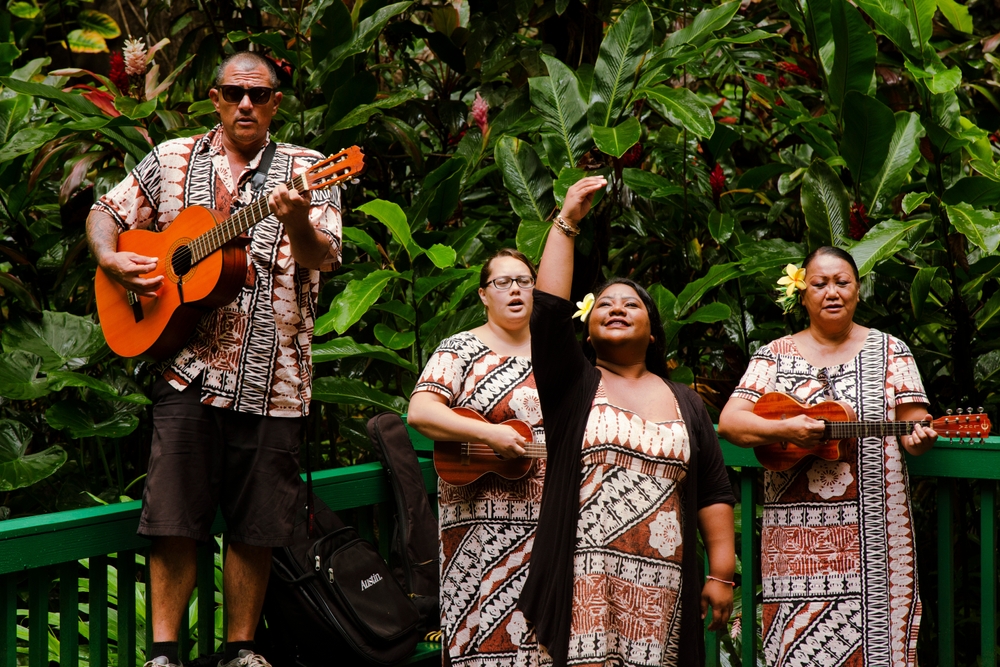
For those who want to deepen their cultural experience, attending community events, workshops, or performances is an excellent option. Many organizations and cultural centers offer classes in lei-making, hula, or traditional Hawaiian crafts. Participating in these experiences not only enriches your trip but also helps sustain the cultural practices that make Hawaiʻi unique.
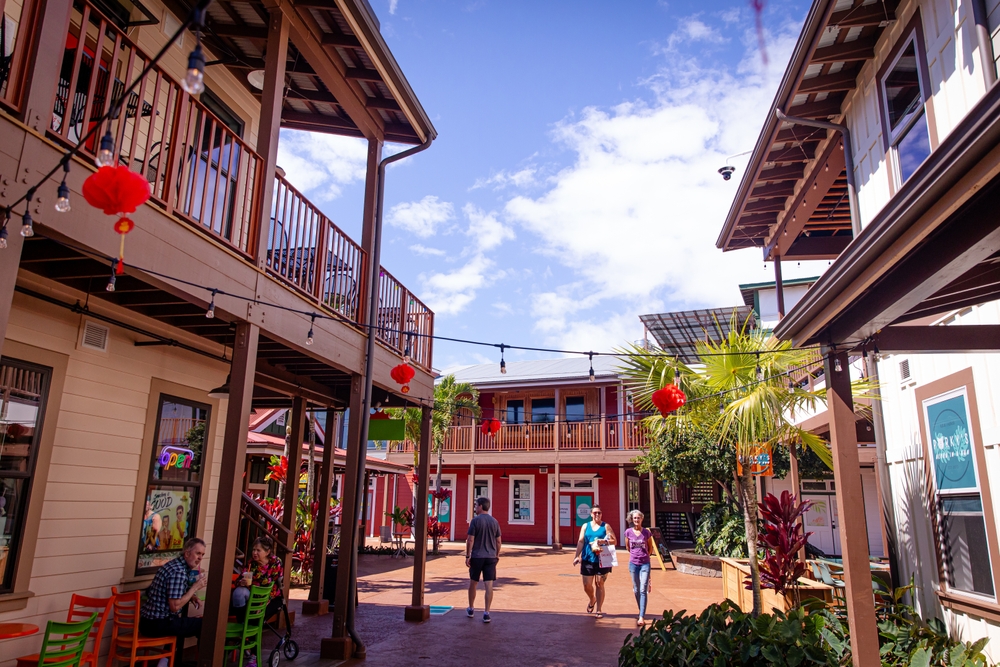
More About Supporting Local Communities and Businesses
Hawaiʻi's communities are warm, welcoming, and filled with people who care deeply about the islands. One of the most meaningful ways visitors can show respect is by supporting local businesses and the individuals who help keep Hawai'i's culture thriving. Choosing local whenever possible benefits families, preserves cultural traditions, and ensures your travel dollars stay within the communities you're enjoying.
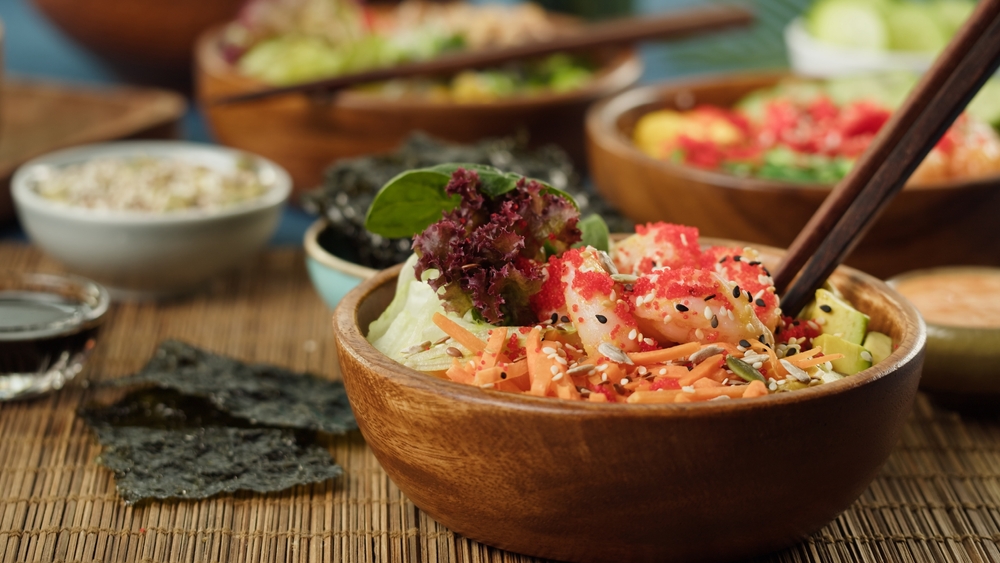
A great place to start is with food. Every island has a rich mix of locally owned restaurants, food trucks, and incredible farmers' markets. These spots showcase fresh ingredients grown right here in Hawaiʻi, from tropical fruit and locally caught fish to Hawaiian-grown coffee. When you purchase from these establishments, you're supporting farmers, fishermen, and small business owners who depend on community support. It also gives you a more authentic taste of the islands, which will surely be a huge highlight of your trip.
Local artisans and makers offer another opportunity to engage with Hawaiʻi in a meaningful way. You'll find handcrafted jewelry, quilts, prints, ceramics, and traditional Hawaiian crafts in small shops and community markets. Choosing pieces made by local artists allows you to bring home something unique while investing directly in the creative work happening across the islands. Many visitors enjoy meeting the artists themselves and learning the stories behind their craft, which creates a deeper connection to the culture.
Booking activities with local guides is also an excellent way to support the community. Whether it's a hiking tour, snorkeling experience, cultural workshop, or kayak excursion, local guides offer insight rooted in lived experience. They know the area well, understand the significance of the places they visit, and share knowledge that you'll never find in guidebooks. Their expertise helps visitors travel respectfully in Hawaiʻi and learn more about the islands' history, environment, and customs. Learning from locals takes your vacation from being a tourist to a traveler experiencing Hawai'i's islands in a unique way.
Being mindful when exploring neighborhoods and smaller towns is another simple way to show respect. Drive slowly, yield when appropriate, and avoid blocking driveways or parking in restricted areas. Small courtesies go a long way in keeping interactions positive and helping communities feel supported instead of overwhelmed by visitors in their front yards.
We're grateful you've taken the time to learn more about how to travel respectfully in Hawaiʻi. If only this info were given out to all visitors before landing! By caring for the land, honoring the ocean, and appreciating local culture, you become part of the effort to protect Hawai'i. Your visit becomes more meaningful, and your actions help ensure that the land, ocean, and traditions remain healthy for generations to come.
If you have questions about responsible travel or want help planning your stay on Oahu, Maui, Kauaʻi, or the Big Island, our team at Vacations Hawai'i Life is here to guide you. Reach out to us anytime for local insight, vacation rental recommendations, or travel tips that help you make the most of your time in Hawai'i. We look forward to helping you experience Hawai'i's islands with care and connection!