
Many guests visiting Hawaiʻi want to travel more thoughtfully, but they also want their vacation to feel relaxing, comfortable, and easy once they arrive. Fortunately, sustainable travel in Hawaiʻi does not have to mean giving up luxury, convenience, or the experiences that make the islands so memorable in the first place.
In many ways, traveling more responsibly comes down to smaller decisions. Choosing locally managed accommodations, supporting local businesses, using reef-safe sunscreen, and being mindful of natural spaces can all contribute positively to the places guests are visiting. These choices often lead to a more connected and meaningful experience overall.
Hawaiʻi’s landscapes, beaches, reefs, and communities are part of what makes the islands so incredibly special. This is why many guests are becoming more intentional about how they travel while they are here.
At Vacations Hawaiʻi Life, our team lives and works across the islands, giving us a local perspective on both hospitality and responsible travel. In this guide, we share practical ways guests can plan a more sustainable Hawaiʻi vacation while still enjoying the comfort and flexibility they want from their stay.
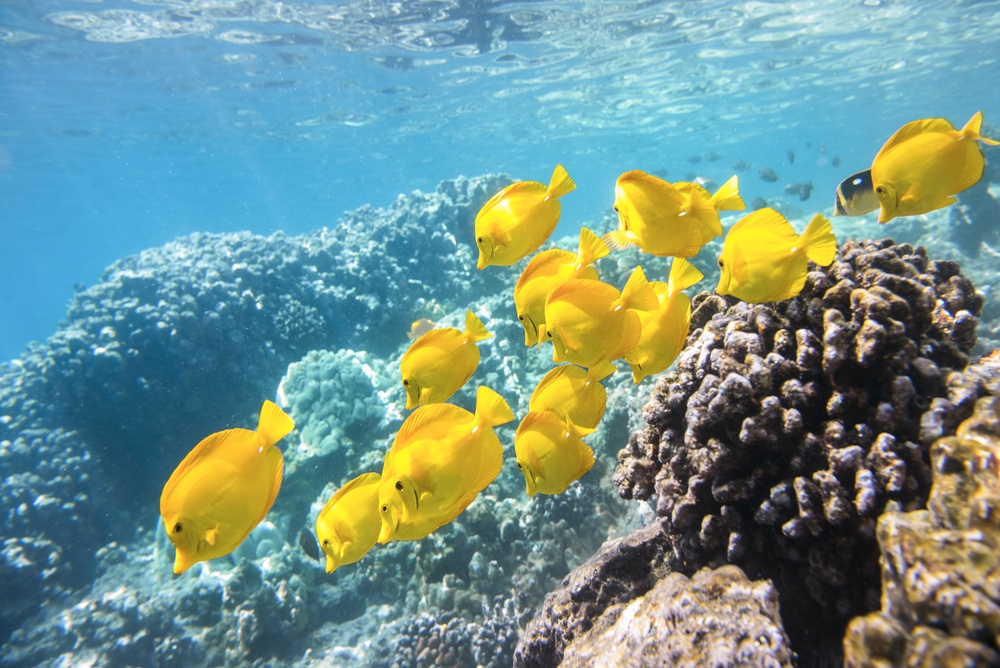
What Does Sustainable Travel in Hawaiʻi Actually Mean?
Sustainable travel in Hawaiʻi is less about perfection and more about awareness. It means making choices that help reduce unnecessary impact on the environment while also supporting local communities and respecting the islands themselves.
For many guests, this can be surprisingly simple. Staying in a thoughtfully managed vacation rental, supporting local restaurants and businesses, conserving water and electricity when possible, and respecting beaches and hiking trails are all part of traveling more responsibly. These actions may feel small individually, but together they can make a meaningful difference over time.
Sustainable travel also means understanding that Hawaiʻi’s ecosystems are unique and sensitive. Coral reefs, marine life, freshwater resources, and native landscapes all require ongoing protection. Guests do not need to completely change the way they vacation, but being mindful of how daily decisions affect the islands helps preserve these places for the local communities and future visitors.
At its core, sustainable travel is really about balance. Guests can still enjoy beautiful accommodations, beach days, dining, and activities while making choices that are more thoughtful and intentional throughout their trip.
Why Vacation Rentals Can Support More Sustainable Travel
Vacation rentals can naturally support a more sustainable style of travel, especially for guests planning longer stays, family vacations, or group trips. While large resorts often operate on a much bigger scale, vacation rentals tend to encourage a slower and more intentional rhythm once guests arrive.
Having access to a kitchen is one example. Guests can prepare some meals at home, shop at local grocery stores or farmers markets, and reduce unnecessary packaging and dining waste throughout the trip. Shared accommodations can also reduce excess consumption compared to booking multiple hotel rooms for larger groups.
Vacation rentals often make it easier to settle into the surrounding community as well. Staying in residential or beach neighborhoods encourages guests to support local businesses, cafés, markets, and activity providers rather than remaining inside a single resort environment for the duration of the trip.
Many guests also find themselves naturally using fewer resources when traveling this way. Reusable beach gear, laundry access, refillable water bottles, and outdoor living spaces can all support lower-impact habits without making the vacation feel restrictive.
For guests who want comfort, flexibility, and a more connected experience, vacation rentals can align well with overall, more thoughtful travel choices.

Comfort and Sustainability Can Exist Together
For many guests, sustainable travel used to feel associated with sacrificing convenience or comfort. That perception has changed significantly in recent years, especially in Hawaiʻi, where many vacation homes now combine thoughtful design with modern amenities and high-quality experiences.
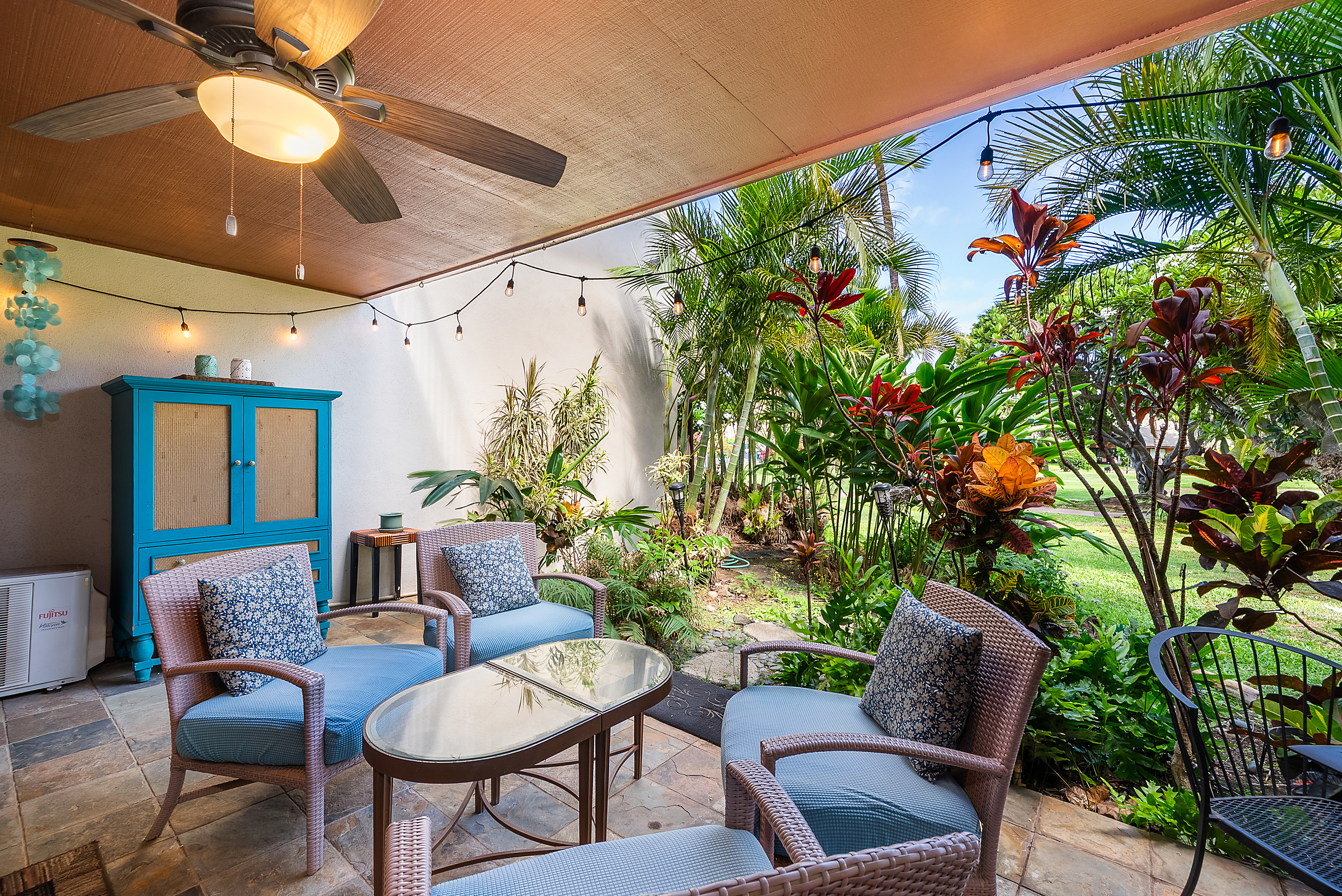
Eco-conscious travel does not mean giving up beautiful accommodations, ocean views, or relaxing outdoor spaces. In fact, many newer and renovated vacation rentals are designed specifically to work more naturally with the island environment. Features like solar energy systems, natural airflow, energy-efficient appliances, and indoor-outdoor layouts can reduce environmental impact while still creating a comfortable stay.
Many guests now appreciate these details as part of the overall experience rather than as limitations. Homes designed around natural light, open-air living, and connection to the landscape often feel more relaxing and authentic to Hawaiʻi itself.
There is also growing interest in accommodations that reflect a more intentional approach to hospitality. Guests increasingly value properties that prioritize quality, sustainability, and thoughtful design together rather than viewing them as separate ideas.

Easy Ways Guests Can Travel More Responsibly in Hawaiʻi
Traveling more responsibly in Hawaiʻi often comes down to smaller habits that are easy to incorporate into the trip itself. Guests do not need to completely change the way they vacation in order to make a positive impact.
One of the simplest steps is using reef-safe sunscreen. Certain chemicals found in traditional sunscreens can damage coral reefs, which is why many guests now choose mineral-based alternatives while swimming and snorkeling in Hawaiʻi waters.
Reusable water bottles, shopping bags, and coffee cups can also help reduce unnecessary waste throughout the trip. Since many guests spend a large amount of time outdoors, these small changes can quickly add up over the course of a vacation.
Being mindful of water and electricity use is another practical way to travel more thoughtfully, especially on islands where natural resources are limited. Guests can also help protect local ecosystems by staying on marked trails, respecting wildlife, and paying attention to ocean conditions before entering the water.
Supporting local businesses and organizations can make a meaningful difference as well. Visiting farmers markets, booking local guides, purchasing reef-safe products from Hawaiʻi-based companies, or participating in volunteer opportunities during a trip all contribute positively to island communities. Even activities like organic farm tours or beach cleanups can create a more connected and rewarding experience while visiting Hawaiʻi.
Sustainable travel is often less about doing everything perfectly and more about being aware of the choices made throughout the trip.

Choosing the Right Island and Location for a Lower-Impact Stay
Choosing the right island and location can play a major role in creating a more sustainable Hawaiʻi vacation. In many cases, staying closer to the activities and experiences you plan to enjoy most can help reduce unnecessary driving while also making the trip feel easier and more relaxed overall.
On Oahu, areas like Waikiki and Kailua offer walkable access to beaches, restaurants, shops, and activities. Guests staying in these communities can often spend more time exploring nearby areas on foot rather than driving long distances every day.
Maui offers a similar advantage in areas like Wailea and Kaʻanapali, where beaches, dining, golf, and ocean activities are all located close together. Guests who plan to spend most of their time near the coast may find it easier to settle into one area rather than moving around the island constantly.
Kauai naturally encourages a slower pace. Areas like Hanalei and Poipu are popular with guests who want a more nature-focused experience with less emphasis on packed itineraries and constant activity.
On the Big Island, Kona is known for its sunny weather, open space, and growing interest in eco-conscious home design, including solar-powered properties and outdoor-focused living.
Choosing accommodations that align with how you actually plan to spend your time often creates a more enjoyable and lower-impact experience at the same time.
Supporting Local Communities While Visiting Hawaiʻi
One of the most meaningful ways guests can travel more thoughtfully in Hawaiʻi is by supporting the local communities they are visiting. Small decisions throughout a trip can help direct tourism dollars toward local businesses, families, and organizations that actively contribute to the islands year-round.
Choosing locally owned restaurants, cafés, shops, guides, and activity providers is one way to create a more connected experience while also supporting the local economy. Many guests also enjoy visiting farmers markets, artisan shops, and cultural sites that reflect the character of each island more directly than larger commercial areas.
There are also opportunities to support businesses and associations that focus specifically on sustainability and conservation efforts. Guests may choose to visit organic farms, purchase reef-safe sunscreen from Hawaiʻi-based companies, participate in beach cleanups, or spend part of their trip volunteering with local environmental organizations. Even smaller actions can help support the long-term protection of Hawaiʻi’s natural spaces and communities.
Traveling responsibly is not only about reducing environmental impact. It is also about helping preserve the culture, landscapes, and local businesses that make Hawaiʻi such a unique place to visit in the first place.
Sustainability Trends Guests Are Looking for in Hawaiʻi Vacation Rentals
Guest expectations around vacation rentals continue to evolve, and sustainability is becoming a more important part of the conversation. Many guests are now paying closer attention to how properties operate and whether accommodations reflect more thoughtful design and hospitality practices.
Features like energy-efficient appliances, recycling programs, refillable bath products, native landscaping, and solar energy systems are becoming more common across Hawaiʻi vacation rentals. These additions often improve the guest experience while also helping reduce long-term environmental impact.
At the same time, sustainability is increasingly being viewed as part of modern luxury rather than something separate from it. Guests still want comfort, quality, and convenience, but many also appreciate properties that feel intentional and aligned with the surrounding environment.
This shift is influencing how some property owners approach upgrades and long-term planning as well. Vacation rentals that combine comfort with eco-conscious features are becoming more appealing to guests who want to feel good about where they stay without sacrificing the overall experience of their Hawaiʻi vacation.
Frequently Asked Questions
How can I travel more sustainably in Hawaiʻi?
Traveling more sustainably in Hawaiʻi often comes down to smaller decisions, such as supporting local businesses, using reef-safe sunscreen, reducing unnecessary waste, and respecting natural spaces and wildlife.
Is sustainable travel in Hawaiʻi expensive?
Not necessarily. Many sustainable travel habits, like carrying a reusable water bottle or shopping locally, are simple and affordable. Sustainable travel is more about intentional choices than luxury pricing.
Are vacation rentals more eco-friendly than hotels?
Vacation rentals can support lower-impact travel habits by offering kitchens, laundry access, reusable amenities, and shared accommodations for families and groups.
What is reef-safe sunscreen and why does it matter?
Reef-safe sunscreen avoids certain chemicals that can damage coral reefs and marine ecosystems. Mineral-based sunscreens are commonly recommended throughout Hawaiʻi.
Which Hawaiian island is best for eco-conscious travel?
Each island offers different opportunities for more thoughtful travel. Kauai is often associated with nature-focused experiences, while Oahu, Maui, and the Big Island each offer communities and accommodations that support lower-impact travel as well.
Can luxury travel and sustainability coexist?
Yes. Many vacation rentals in Hawaiʻi now combine eco-conscious features with modern amenities, ocean views, and comfortable design.
How do I support local communities while visiting Hawaiʻi?
Guests can support local communities by dining at locally owned restaurants, shopping small, booking local guides, and participating in cultural or conservation-focused activities.
What should I look for in an eco-conscious Hawaiʻi vacation rental?
Guests often look for features like energy-efficient systems, recycling programs, refillable amenities, natural ventilation, walkable locations, and locally managed properties.
Experience Hawaiʻi More Consciously
Planning a more sustainable Hawaiʻi vacation does not have to mean giving up comfort, convenience, or the experiences that make the islands unforgettable. In many cases, traveling more thoughtfully simply comes down to making smaller decisions that help support local communities and protect the places guests come to enjoy.
Choosing the right accommodations, supporting local businesses, and being mindful of natural spaces can create a trip that feels both rewarding and more connected to Hawaiʻi itself.
At Vacations Hawaiʻi Life, we believe guests should be able to experience the islands comfortably while also traveling with greater awareness and respect for the communities and environments around them. Explore our collection of vacation rentals across Hawaiʻi to start planning a stay that aligns with the way you want to travel.