
Hawaiʻi real estate offers investment opportunities unlike almost anywhere else. An oceanfront property with sweeping Pacific views may seem like the obvious choice. Still, some of the islands’ most compelling real estate opportunities can also be found inland, where buyers may find more space, larger parcels, agricultural land, and greater flexibility in how a property is used.
The right investment depends on much more than distance from the ocean. Purchase price, rental potential, maintenance, insurance, zoning, land use, location, and long-term ownership goals all influence a property’s potential return. For example, an oceanfront vacation rental may command premium rates. At the same time, an inland property with a lower cost of entry or productive acreage may offer an entirely different path to generating value.
As one of Hawaiʻi’s most trusted names in real estate, property management, and vacation rental management, Hawaiʻi Life understands how dramatically investment opportunities can vary between islands, communities, and individual properties. Local knowledge matters, especially when comparing coastal and inland real estate, where two properties only a few miles apart may have very different costs, risks, rental opportunities, and even, their potential uses.
In this blog, we’ll compare oceanfront and inland Hawaiʻi investment properties. We’ll also try to look beyond the view to examine what buyers should consider when deciding which type of property best supports their financial, rental, and long-term ownership goals.
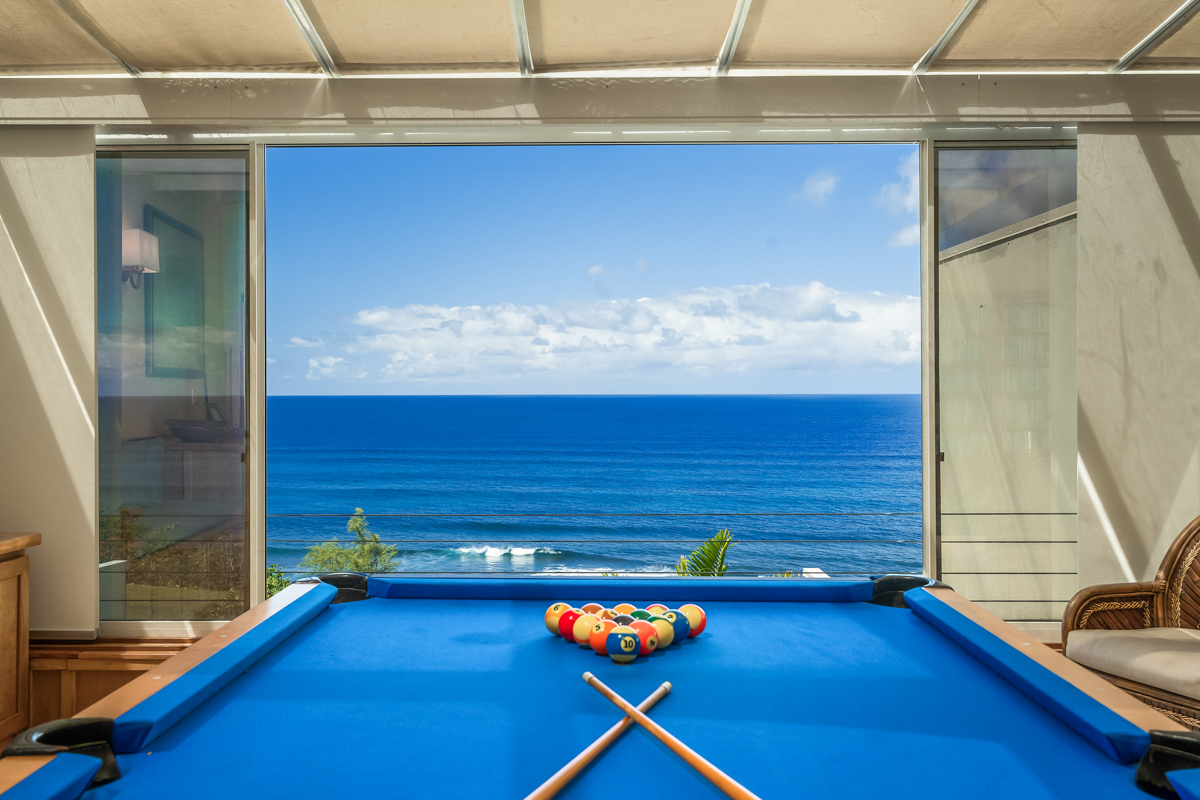
Oceanfront vs. Inland: Understanding the Investment Difference
As discussed, in Hawaiʻi, the difference between oceanfront and inland property goes a lot further than the view. Oceanfront real estate sits directly along the coastline and commands a premium because of its location, limited supply, and appeal to both buyers and vacation guests. Inland properties can range from homes located only minutes from the beach to large rural parcels, residential neighborhoods, agricultural properties, and homes at higher elevations.
Variety is important when evaluating Hawaiʻi real estate investment opportunities. An inland property within walking or driving distance of a desirable beach or resort community may still have excellent rental potential without the purchase price or coastal exposure of a property directly on the water. Other inland properties may offer acreage, privacy, cooler elevations, or proximity to towns and employment centers.
The Investment Appeal of Oceanfront Hawaiʻi Property
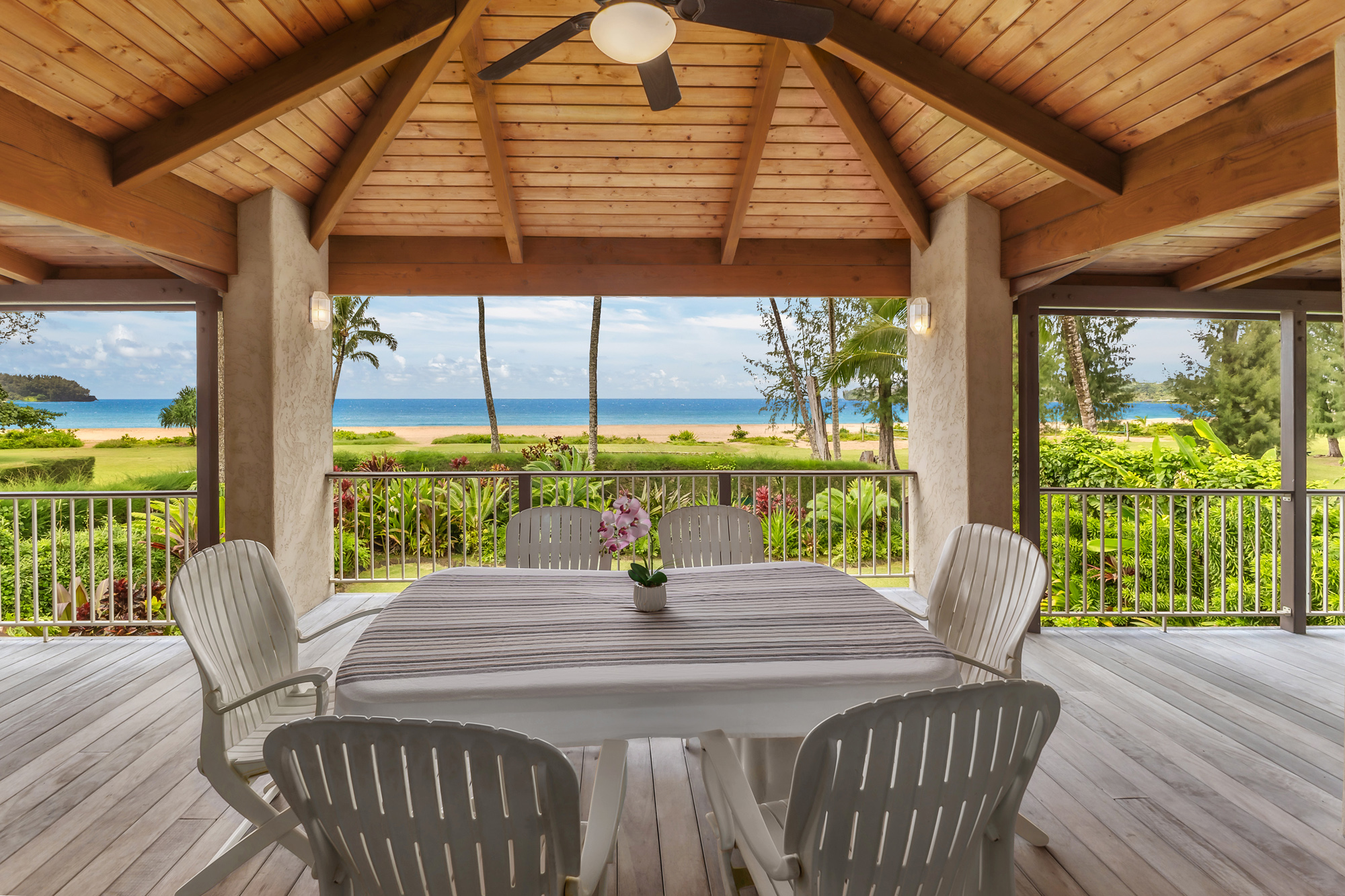
Obviously, owning oceanfront property in Hawaiʻi has an undeniable appeal. Direct access to the coastline, unobstructed views, sunsets, and the experience of hearing the ocean from home can create a level of desirability that is difficult to replicate inland.
Scarcity is also part of the equation. Hawaiʻi has a finite amount of coastline, and not every coastal property can legally or practically support the same type of development. Well-located oceanfront properties like Wailea, may therefore occupy a distinctive position within their local real estate markets.
For vacation rental investors, oceanfront locations are super attractive. Many visitors specifically search for beachfront or oceanfront accommodations and may pay a premium for direct beach access and those stunning ocean views. Luxury oceanfront homes and condominiums, such as those in Kapalua, stand out in competitive vacation rental markets.
However, consider premium rental rates alongside the higher purchase price and potential ownership expenses. Gross rental income alone doesn't determine whether an oceanfront property ultimately delivers a strong return.
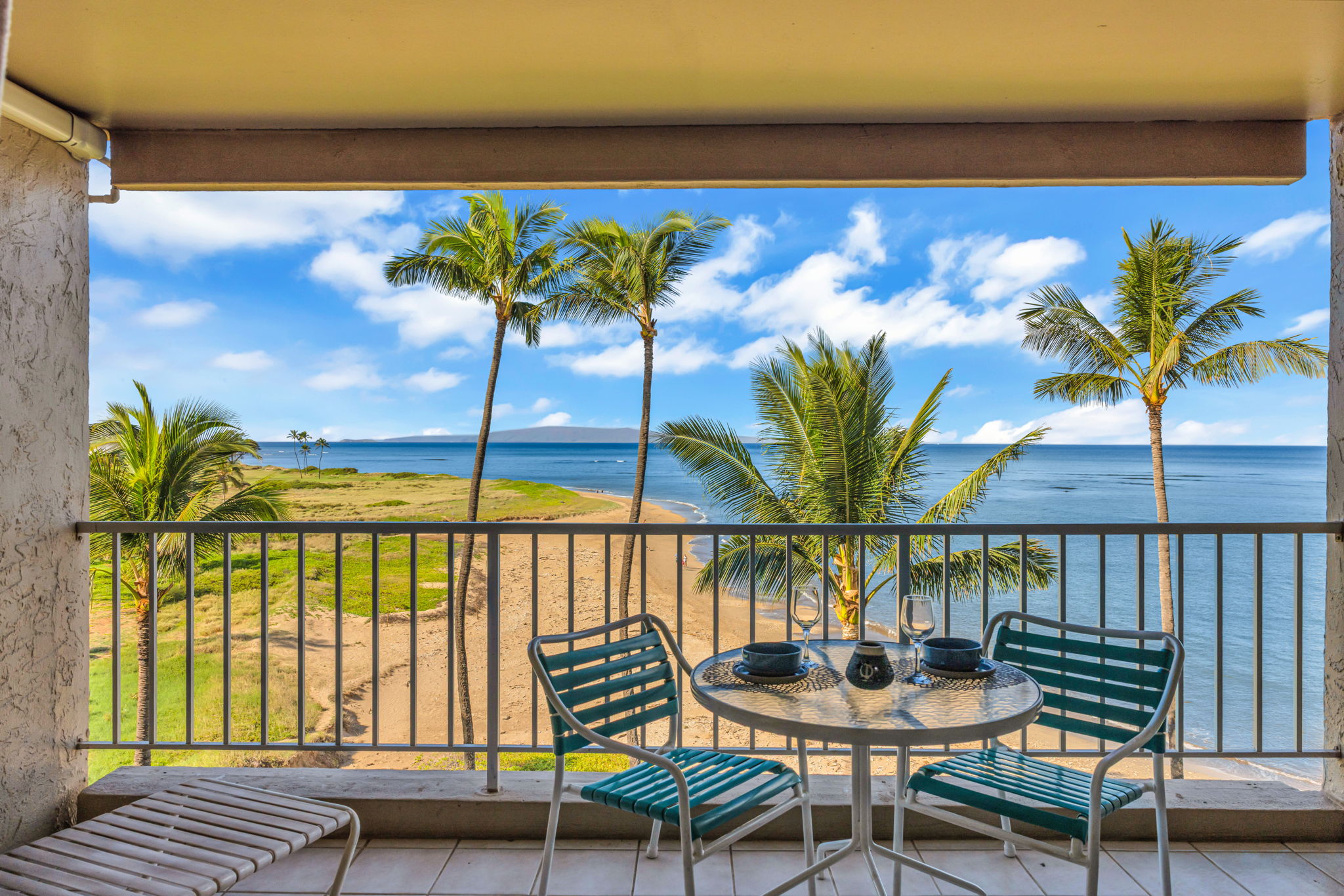
Why Inland Properties Can Be Strong Investments
Inland Hawaiʻi properties can offer advantages that buyers sometimes overlook when they focus on the coastline. Depending on the island and community, buyers may find more interior living space, larger parcels, greater privacy, or a lower entry cost than comparable oceanfront real estate.
Reduced exposure to salt air and coastal conditions may also lower maintenance demands, although every Hawaiʻi property will require upkeep suited to its environment. Inland locations can also appeal to long-term renters who prioritize residential communities, schools, employment centers, space, and everyday convenience over direct beach access.
For properties with usable acreage, agricultural potential can introduce another dimension to the investment. Depending on zoning, water availability, soil, elevation, and permitted uses, land may support coffee, cacao, tropical fruit, flowers, orchards, livestock, native plants, or other agricultural activities. When thoughtfully planned and properly managed, productive land may create supplemental income that helps offset some property maintenance and land-management expenses.
Agricultural land can also provide lifestyle value that is difficult to replicate with many coastal properties. For the right buyer, having room to grow food, run a small farm, or preserve open space may matter as much as rental income.
Ultimately, inland properties offer investors more than an alternative to oceanfront real estate. In the right location, they can provide flexibility across long-term rentals, vacation rentals where permitted, agricultural use, personal use, or a combination that supports the owner's broader investment goals.
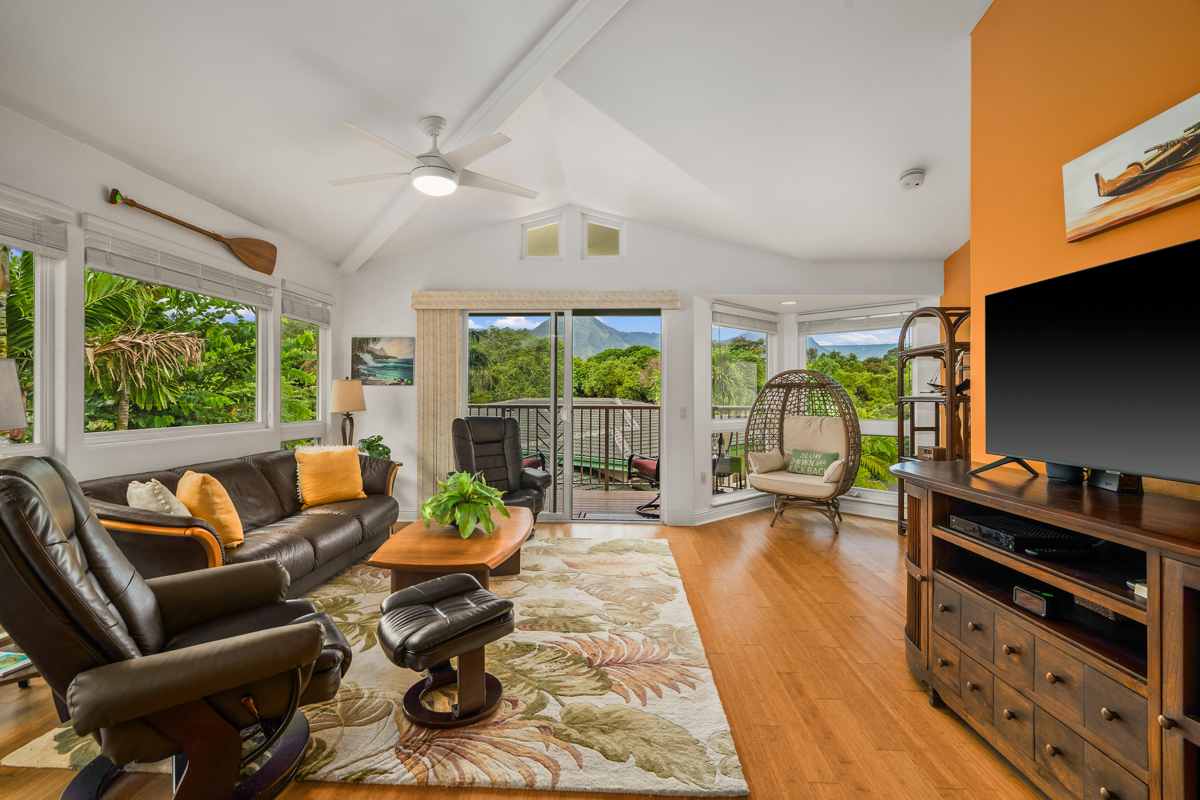
Vacation Rental Income: Does Oceanfront Earn More?
Oceanfront Hawaiʻi properties, including those in resort communities such as Ko Olina, can often command higher nightly rates because guests value views, direct beach access, and the experience of staying beside the ocean. In popular vacation destinations, these properties may also stand out more easily when guests compare available rentals.
However, higher rental rates do not automatically mean better returns. An oceanfront property may have a significantly higher purchase price along with increased insurance, maintenance, and repair expenses. An inland vacation rental purchased at a lower price may generate less gross rental income while still producing a competitive return relative to the owner's total investment.
Occupancy also matters. A well-positioned inland home with attractive amenities, excellent reviews, and convenient access to beaches and activities may perform exceptionally well, particularly if its nightly rate appeals to a broader range of guests.
The more useful comparison, then, is not simply how much each property earns. Investors should consider net income after operating expenses and compare that figure with the total cost of acquiring, maintaining, and managing the property.
Purchase Price and the True Cost of Entry
The purchase price of oceanfront Hawaiʻi real estate can substantially increase the capital required to buy a property. That higher cost of entry affects financing, carrying costs, and the rental income needed to generate the owner's desired return.
Inland properties may offer more living space or land for the same investment. A buyer might also have additional capital available for renovations, furnishings, landscaping, sustainable improvements, or other upgrades that increase the property's usefulness and appeal.
Therefore, evaluate the purchase price alongside the property's income potential, not on its own. Paying substantially more for an oceanfront location may make sense when the property's rental performance, personal-use value, scarcity, or long-term ownership goals justify the premium. In other situations, an inland property with a lower acquisition cost may provide greater flexibility.
Investors should also consider expenses that arise at closing and throughout ownership, rather than basing the decision solely on the listing price.
Maintenance: The Cost of Living Next to the Ocean
The ocean is one of Hawaiʻi's greatest attractions, but living directly beside it can be demanding on a property. Salt carried through the air can accelerate corrosion on metal fixtures, railings, appliances, windows, vehicles, outdoor furniture, and mechanical equipment.
Wind, moisture, intense sunlight, and exposure to ocean spray can also affect exterior paint, roofing, doors, landscaping, and other building materials. Preventive maintenance is especially important because addressing corrosion and weather-related wear early can help prevent larger repairs later.
Material selection can make a significant difference. Corrosion-resistant hardware, appropriate exterior finishes, durable outdoor furniture, and materials designed for coastal environments may require a higher initial investment but can better suit oceanfront ownership.
Inland properties are not maintenance-free. Hawaiʻi's humidity, tropical vegetation, pests, rainfall, and strong sun create maintenance considerations throughout the islands. However, moving away from direct coastal exposure can reduce some of the persistent wear associated specifically with salt air and oceanfront conditions.
Insurance and Natural Hazard Considerations
Location can significantly affect both insurance needs and the risks of owning real estate in Hawaiʻi. Oceanfront properties may face greater exposure to flooding, coastal erosion, storms, high surf, and salt-related damage. Buyers should investigate the property's flood zone, shoreline conditions, insurance requirements, and other location-specific risks before purchasing.
Inland does not automatically mean lower risk. Conditions vary considerably across the islands. Certain areas may be affected by wildfire, heavy rainfall, flooding, landslides, or other natural hazards. On Hawaiʻi Island, lava hazard zones are another important consideration when evaluating a property.
Insurance availability and coverage needs can also affect overall ownership costs. Rather than assuming value based solely on distance from the ocean, buyers should evaluate the specific property and seek professional guidance before deciding whether to invest.
Short-Term vs. Long-Term Rental Strategy
Rental strategy can significantly change how an investor evaluates oceanfront versus inland property. Oceanfront homes and properties in established resort areas such as Poipu may strongly appeal to vacation guests, especially when they offer views, beach access, pools, or other desirable amenities. However, buyers should always verify that short-term rental use is legally permitted before relying on vacation rental income.
Inland properties may provide greater flexibility for long-term rental strategies, depending on location and zoning. Homes near employment centers, schools, shopping, and established residential communities can appeal to tenants looking for a place to make their home rather than somewhere to spend a short vacation.
Long-term rentals can also provide more consistent occupancy and fewer turnovers. Tenants who consider the property their home may be more interested in maintaining its everyday appearance and condition, although proper screening and professional management remain important.
Neither rental strategy is inherently better. The right approach depends on the property, permitted use, local demand, operating expenses, and the owner's goals. Some investors may prioritize vacation rental income, while others value the predictability and reduced turnover associated with a long-term tenant.
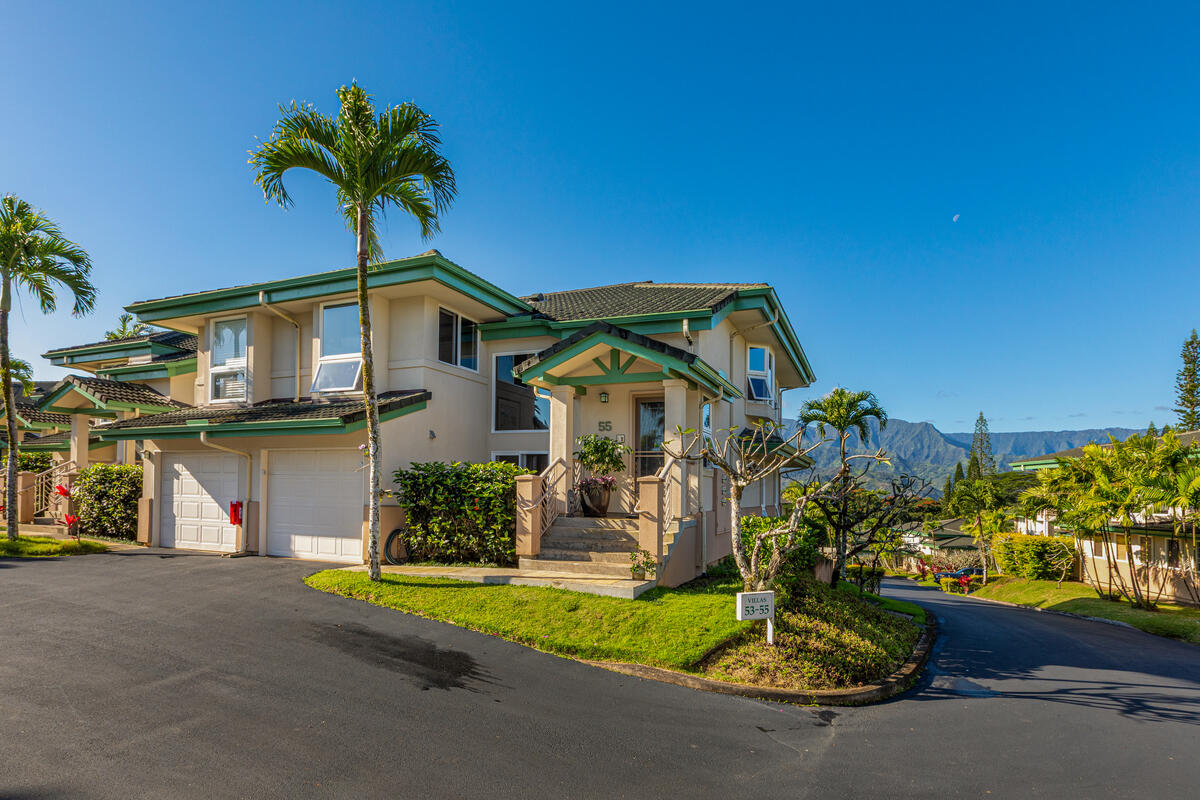
Location Still Matters More Than the Label
An oceanfront address can be highly desirable, but location involves much more than proximity to the water. An inland property in an established community like Kahala with convenient access to beaches, restaurants, shopping, schools, employment, golf, or outdoor recreation may offer strong rental and resale appeal.
The same principle applies to oceanfront properties. A spectacular view does not automatically compensate for difficult access, limited amenities, significant maintenance issues, or a location that doesn't align with the intended rental market.
Hawaiʻi's individual islands also contain numerous micro-markets. Conditions can vary substantially between communities only a short distance apart, making broad comparisons between "oceanfront" and "inland" properties less useful than evaluating the specific neighborhood and property.
For investors, local market knowledge becomes especially valuable. Understanding who rents or buys in a particular area, what amenities they prioritize, and how comparable properties perform can provide much more meaningful information than distance from the shoreline alone.
Appreciation and Long-Term Property Value
Oceanfront property is inherently scarce in Hawaiʻi, and exceptional coastal locations can remain highly desirable to buyers over time. However, oceanfront status does not guarantee appreciation, just as inland location does not limit a property's long-term value.
Neighborhood desirability, land size, zoning, property condition, accessibility, permitted uses, nearby development, and overall market demand can all influence value. For inland properties, usable acreage or agricultural potential may add another dimension, particularly when the land supports productive or income-generating uses.
Investors should also consider the cost of preserving that value. A property that requires substantial ongoing maintenance, insurance, or capital improvements may produce a different long-term return than one with lower carrying costs, even if its market value increases more significantly.
Which Property Is Right for Your Investment Goals?
The right choice ultimately depends on what you want the property to accomplish.
Oceanfront real estate may appeal to investors focused on luxury vacation rental demand, direct ocean access, exceptional views, scarcity, or personal enjoyment of a coastal home. For the right property, those characteristics can create significant guest and buyer appeal.
Inland properties may be attractive to investors prioritizing a lower cost of entry, more land or living space, long-term rental opportunities, reduced coastal exposure, or greater flexibility in how the property is used. Properties with agricultural land also offer opportunities for farming or other productive uses that can supplement rental income or help offset property expenses.
Frequently Asked Questions
Is oceanfront property a good investment in Hawaiʻi?
It can be, depending on the individual property.
Do oceanfront vacation rentals make more money in Hawaiʻi?
Some oceanfront vacation rentals can command higher nightly rates, but higher gross revenue does not necessarily mean a better return.
Is it better to buy oceanfront or inland property in Hawaiʻi?
Oceanfront properties may offer stronger luxury and vacation-rental appeal, while inland properties may offer lower entry costs, more land, long-term rental opportunities, or agricultural potential.
What are the disadvantages of owning oceanfront property in Hawaiʻi?
Potential considerations include higher purchase prices, salt-air corrosion, coastal maintenance, insurance costs, flooding, erosion, storms, and other location-specific risks.
Are inland properties a good investment in Hawaiʻi?
Inland properties may offer more space or acreage, residential rental demand, reduced direct coastal exposure, and greater flexibility in property use. Some properties may also have agricultural potential.
How important is proximity to the beach for a Hawaiʻi vacation rental?
Beach proximity can be a major advantage, but it is only one factor guests consider.
~
Finding the Right Hawaiʻi Investment Property
There is no universal answer to whether oceanfront or inland Hawaiʻi real estate delivers the better investment. Both can offer compelling opportunities, but their value depends on the individual property, purchase price, location, permitted uses, rental strategy, ongoing expenses, and the owner's long-term goals.
Oceanfront properties may offer exceptional views, scarcity, direct coastal access, and strong vacation rental appeal. In contrast, inland properties can offer more land, greater flexibility, agricultural potential, long-term rental opportunities, and potentially lower entry and maintenance costs. The strongest investment is the one where those characteristics align with how you intend to use and manage the property.
Hawaiʻi Life brings together local expertise in real estate, vacation rental management, and long-term property management across the islands. Whether you're considering an oceanfront vacation home, an inland rental property, agricultural acreage, or another Hawaiʻi real estate investment, contact Hawaiʻi Life to discuss your goals and explore properties that fit your investment strategy.