
Hawaiʻi is known for warm weather year-round, but the reality is more nuanced than endless sunshine and perfect beach days. The weather can change dramatically depending on the island, the coast, the elevation, and even the time of day. It is entirely possible to spend the morning on a sunny beach, drive through a tropical rain shower in the afternoon, and end the day watching the sunset in clear skies. Understanding these patterns can make a big difference when planning where to stay and what to do.
At Vacations Hawaiʻi Life, we experience these seasonal shifts every day. With offices on Oahu, Maui, Kauaʻi, and the Big Island, our team lives and works in the communities visitors come to explore. In addition to real estate and property management, we help travelers book vacation rentals across the islands, giving us firsthand insight into how weather, location, and travel seasons shape the visitor experience.
This blog will walk you through what to expect from Hawaiʻi's weather throughout the year, including seasonal changes, microclimates, and how windward and leeward coastlines influence rainfall and sunshine. Whether you are planning a winter escape, a summer family trip, or a return visit to your favorite island, understanding Hawaiʻi’s weather patterns can help you choose the right time and the right place to stay.
Does Hawaiʻi Have Seasons? Understanding Summer vs Winter
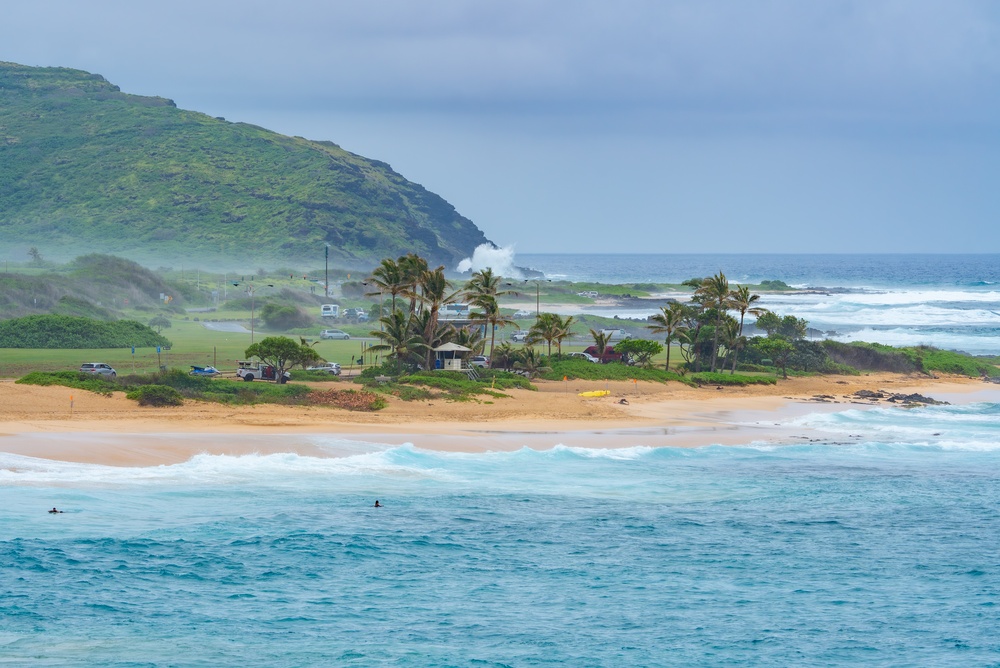
Hawaiʻi does have seasons, but they are different from what many travelers expect. Instead of four distinct seasons, the islands experience two primary seasons. Summer, known as kau, runs from May through October and is typically warmer and drier. Winter, or hooilo, runs from November through April and brings slightly cooler temperatures, larger ocean swells, and more rain, particularly on windward coasts.
Temperature differences between summer and winter are generally modest. Daytime highs often range from the upper 70s to the mid-80s throughout the year, depending on elevation and island. Trade winds play an important role in keeping the climate comfortable by circulating air and moderating humidity. While hurricane season technically runs from June through November, direct impacts are rare.
For many visitors, the best time to visit Hawaiʻi depends less on temperature and more on preferred activities, ocean conditions, and crowd levels.
Windward vs Leeward – Why One Side of the Island Is Rainier
One of the most important weather concepts to understand in Hawaiʻi is the difference between the windward and leeward sides of an island. The trade winds typically blow from the northeast, and as moist air hits the mountains, it rises, cools, and releases rainfall on the windward side. By the time the air passes over the mountains and descends on the opposite coast, it is drier, creating sunnier conditions on the leeward side.
On Oahu, the windward side includes areas like Kailua and Kaneohe, which tend to receive more rainfall, while Waikiki and much of the south shore are drier. On Maui, the windward areas include Hana and parts of the northeast coast, while West and South Maui are generally sunnier. On the Big Island, Hilo is known for higher rainfall, while Kona is significantly drier. Kauaʻi’s north shore receives more rain than its south shore, where Poipu often sees clearer skies.
Understanding this pattern can help travelers choose accommodations that align with their preferences for sunshine or lush scenery.
Hawaiʻi’s Famous Microclimates
Hawaiʻi is known for its microclimates, which allow visitors to experience dramatically different weather conditions within short distances. Elevation, mountain ranges, and coastal exposure all contribute to these variations.
On the Big Island, visitors can drive from warm beaches to cool upland ranch country and even see snow on Mauna Kea during the winter months. On Maui, the summit of Haleakala can feel brisk and cool, while beaches in South Maui remain warm and sunny. Kauaʻi’s interior rainforest contrasts with the drier conditions of its south shore. On Oahu, the Koolau Mountains create noticeable weather differences between coastal neighborhoods.
These microclimates are part of what makes Hawaiʻi unique. Travelers can plan a day that includes a misty waterfall hike in the morning and a sunny afternoon at the beach, all on the same island. Understanding these variations helps visitors plan activities and choose the best area to stay for their preferred experience.
Hawaiʻi Weather by Season – Summer (May–October)
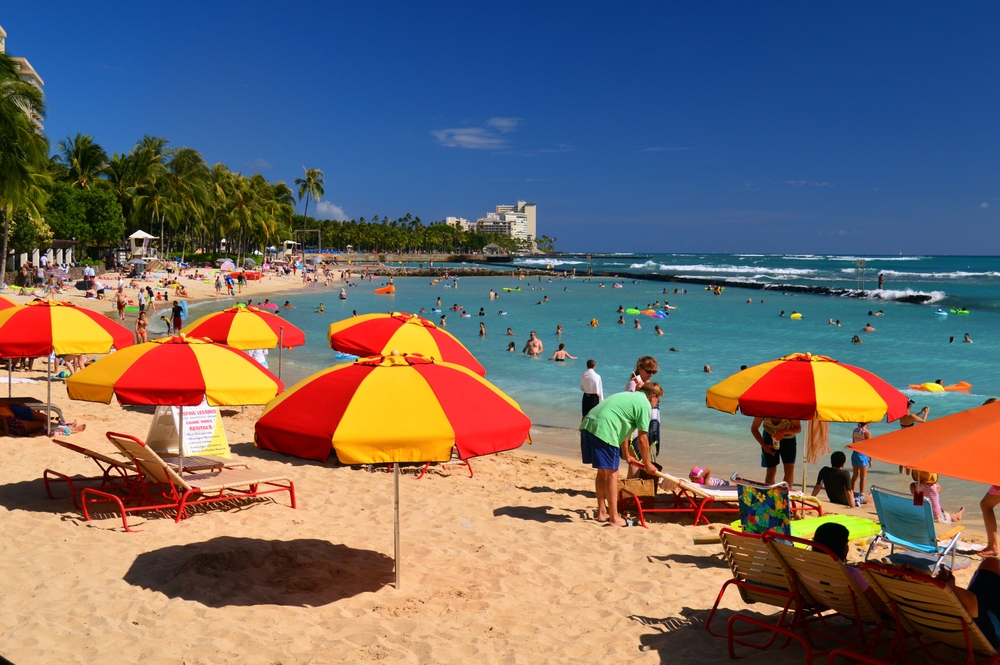
Summer in Hawaiʻi is typically warmer and drier, making it ideal for outdoor exploration. Ocean conditions are usually calmer, especially along north-facing shores, making this one of the best seasons for snorkeling, boat tours, paddleboarding, and family beach days. Daytime temperatures often range from the low 80s to mid-80s at sea level, with cooler temperatures in higher elevations.
This season is particularly popular for hiking and exploring more remote areas of the islands. Trails along the Na Pali Coast on Kauaʻi are generally safer and more accessible in summer, when rainfall and muddy conditions are less frequent. Clearer ocean conditions also make summer an excellent time for snorkeling at locations across Maui, Oahu, and the Big Island.
For travelers seeking sunshine and calm waters, leeward resort areas such as South and West Maui, Waikiki and Ko Olina on Oahu, Poipu on Kauaʻi, and the Kona coast on the Big Island are especially appealing during the summer months.
Hawaiʻi Weather by Season – Winter (November–April)
Winter in Hawaiʻi brings slightly cooler temperatures, seasonal rainfall, and some of the year's most dramatic ocean conditions. Daytime temperatures typically remain in the 70s and low 80s, but evenings can feel cooler, especially in higher elevations and breezy coastal areas.
Winter is famous for large surf along north-facing shores. The North Shore of Oahu becomes a global destination for big wave surfing, while other north and west-facing coastlines across the islands also see increased swell. These conditions can limit swimming and snorkeling in some areas but create spectacular viewing opportunities for visitors.
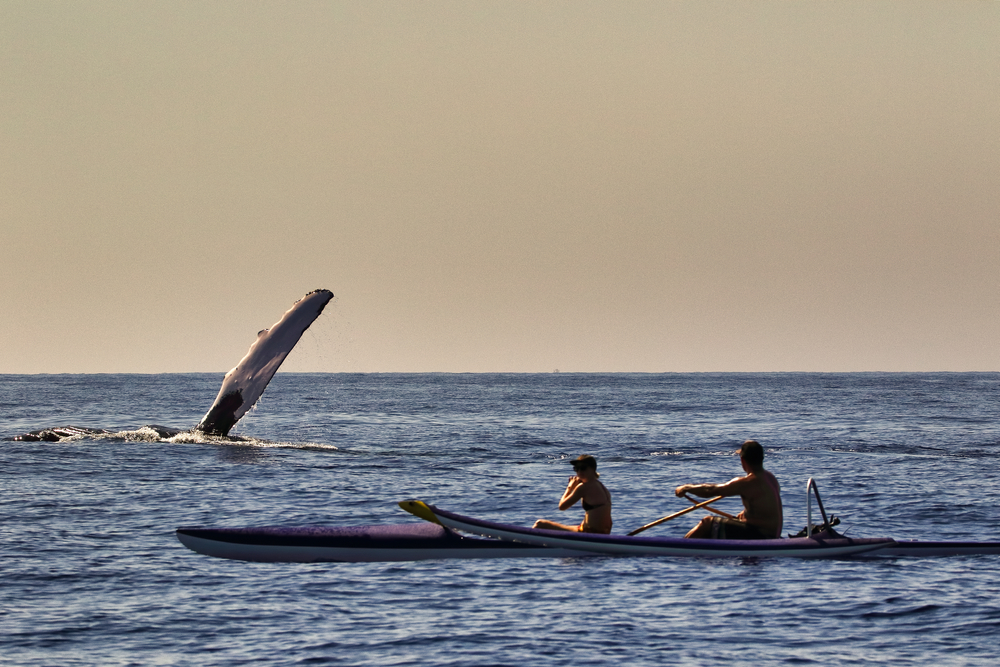
This season is also known for whale watching. North Pacific Humpback whales migrate to Hawaiʻi each winter, particularly around Maui County waters. During whale season, some ocean activities in certain areas may pause or shift, such as parasailing in West Maui.
Travelers visiting during winter often gravitate toward leeward coasts, where sunshine is more consistent, and ocean conditions tend to be calmer. On the flipside, an international wave of visitors arrives on Hawaiʻi’s islands every winter seeking all types of wave riding and surf conditions.
Special Weather Phenomena in Hawaiʻi
In addition to seasonal changes, Hawaiʻi experiences several unique weather patterns that visitors may hear about when planning a trip.
Kona winds are occasional weather events that bring southerly winds and increased humidity. These conditions can create warmer, still days and may bring rain to areas that are usually dry. Kona wind events are not constant but are a well-known part of island weather.
On the Big Island, volcanic activity can produce vog, a haze created by volcanic gases and particles. Vog conditions vary depending on wind patterns and are typically more noticeable on the Kona side of the island when winds shift.
Passing showers are common across the islands, especially on windward coasts. These showers are often brief and followed by sunshine, which is why rainbows are a frequent sight in Hawaiʻi.
Best Island Weather by Travel Goals
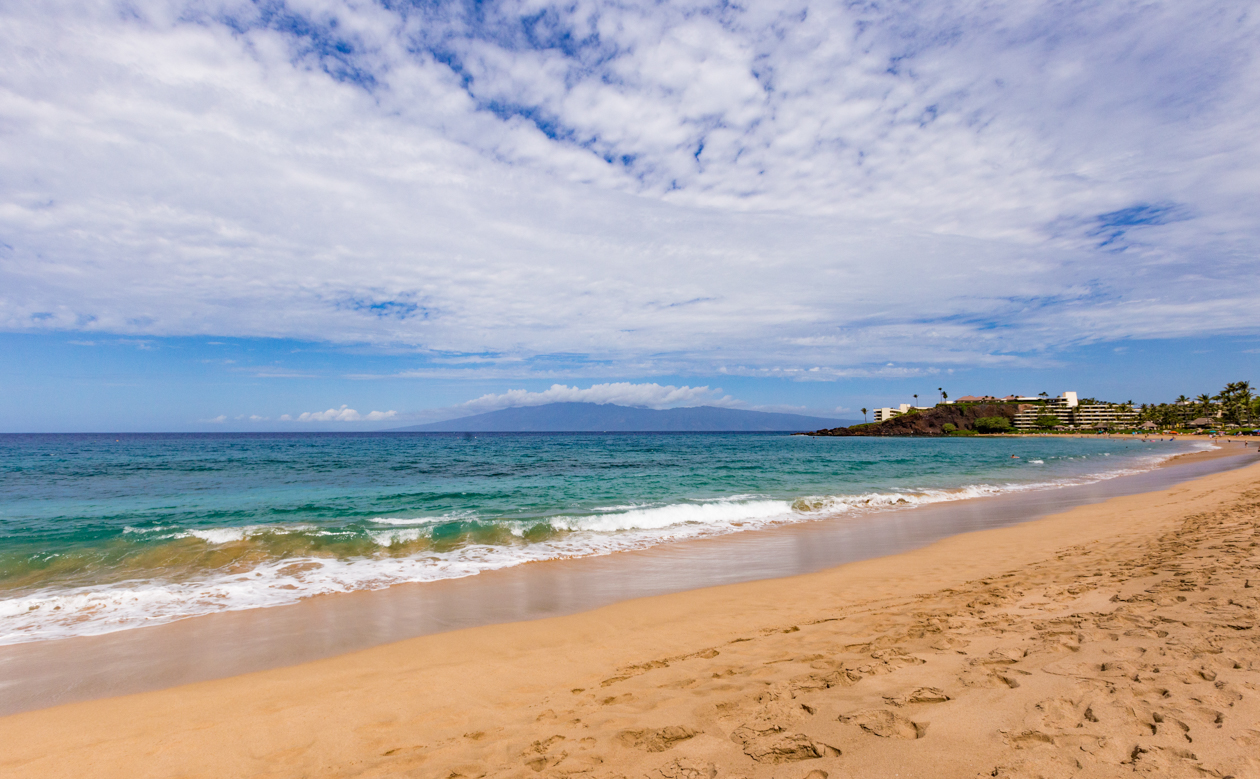
Different travel goals often align with different islands and seasons. Visitors seeking long, sunny beach days often gravitate toward leeward resort areas such as South and West Maui, Waikiki and Ko Olina on Oahu, Poipu on Kauaʻi, and the Kona Coast on the Big Island. These areas are known for consistent sunshine and calmer ocean conditions throughout much of the year.
Surf enthusiasts often plan winter trips to experience the famous waves along north-facing shores, especially on Oahu’s North Shore. Hikers and outdoor explorers may prefer the summer months when trails are drier and more accessible, particularly on Kauaʻi and in higher-elevation areas. Families traveling with young children often prioritize calmer ocean conditions and reliable sunshine, making summer and early fall especially appealing.
Understanding how weather connects to activities helps travelers choose not only when to visit, but where to stay.
How Weather Should Influence Where You Stay
Weather patterns can significantly impact the vacation experience, which is why choosing the right accommodation location is so important. Two properties on the same island can offer very different experiences depending on rainfall patterns, ocean conditions, and proximity to seasonal activities.
Selecting a vacation rental in a sunny, leeward area can make a big difference for travelers focused on beach days and water activities. Those who prefer lush landscapes and cooler temperatures may enjoy windward or higher elevation locations.
Hawaiʻi Life’s local teams help guests choose vacation rentals that match travel dates, preferred activities, and seasonal conditions across each island. Search vacation rentals on Oahu, Maui, Kauaʻi and Big Island.
Frequently Asked Questions About Hawaiʻi’s Weather
What is the best month to visit Hawaiʻi?
The best month depends on travel goals. April, May, September, and October are often considered ideal because they offer pleasant weather, fewer crowds, and good ocean conditions across many islands.
Does Hawaiʻi have seasons?
Yes. Hawaiʻi has two primary seasons. Summer runs from May through October and is typically warmer and drier. Winter runs from November through April and brings slightly cooler temperatures, larger ocean swells, and increased rainfall on windward coasts.
Which Hawaiian island has the best weather?
Each island has sunny and rainy areas, but leeward resort areas such as South and West Maui, Waikiki on Oahu, Poipu on Kauaʻi, and the Kona Coast on the Big Island are known for consistent sunshine.
What is hurricane season in Hawaiʻi?
Hurricane season runs from June through November. Direct hurricane impacts are rare, but travelers may occasionally see increased humidity or passing storms during this period.
When is the rainy season in Hawaiʻi?
Rainfall is more common during winter months, especially from November through March. Windward sides of the islands receive more rainfall than leeward areas year round.
Is Hawaiʻi warm all year?
Yes. Daytime temperatures typically range from the upper 70s to mid 80s throughout the year at sea level, making Hawaiʻi a year-round destination.
Which island in Hawaiʻi is the driest?
The Kona Coast on the Big Island and South and West Maui are among the driest and sunniest areas in the state.
Is it better to visit Hawaiʻi in summer or winter?
Both seasons offer great experiences. Summer is best for snorkeling and calm ocean conditions, while winter is ideal for surfing and whale watching.
Does it rain every day in Hawaiʻi?
No. Rain showers are often brief and localized. Many areas experience passing showers followed by sunshine on the same day.
What is the cheapest time to visit Hawaiʻi?
Travel costs are often lower during shoulder seasons, especially late spring and early fall, when crowds are smaller and demand is lower.
Plan Your Trip Around Hawaiʻi’s Seasons
Hawaiʻi’s weather is warm and welcoming year-round, but understanding seasonal patterns, windward and leeward coastlines, and island microclimates can help travelers plan a more enjoyable trip. Summer and winter each bring unique advantages, and different islands offer different experiences depending on the time of year.
Choosing the right location and accommodations can make all the difference. Vacations Hawaiʻi Life offers vacation rentals across Oahu, Maui, Kauaʻi, and the Big Island, with local teams ready to help guests find the right home base for their travel plans. Reach out to us directly to learn more and start planning your stay in Hawaiʻi.
Mahalo for reading. We’re looking forward to welcoming you to our islands, no matter the season!