
Owning a Hawaiʻi estate has always carried a certain appeal. It represents lifestyle, privacy, and a connection to some of the most desirable real estate in the world. But for many property owners today, it is also an opportunity to think more strategically about how that asset can perform over time.
Across Oahu, Maui, Kauaʻi, and the Big Island, owners are shifting from viewing large properties as single-use homes to exploring how to create multi-use investment properties that support multiple income streams while preserving land integrity and experience.
Transitioning from traditional ownership to a multi-use strategy requires thoughtful planning. At Hawaiʻi Life, local expertise is essential in navigating these changes. As a statewide team with feet firmly planted in the sand in every major market, we work closely with owners and investors to guide them through Hawaiʻi real estate, property management, and vacation rentals. This article breaks down how to approach a multi-use strategy, where opportunities exist, and what it takes to succeed as a multi-use property in Hawaiʻi.
What Is a Multi-Use Investment Property in Hawaiʻi?
A multi-use investment property in Hawaiʻi is an estate designed or adapted to generate income from multiple sources, aligning with the land, location, and local regulations rather than relying on a single revenue stream.
In theory, owners can take several approaches. A large Maui estate might operate as a vacation rental for part of the year, host small private events or retreats at select times, and dedicate some land to agriculture. On Kauaʻi or Big Island, owners with more acreage may lean toward land-based opportunities while still offering private rental experiences.
Balancing multiple uses is key to maximizing Hawaiʻi property income while preserving long-term value. Done correctly, a multi-use strategy offers flexibility to adjust with market shifts, transitioning the estate from a static asset to one that evolves with changing conditions.
Why Multi-Use Is a Smart Strategy in Today’s Hawaiʻi Real Estate Market
The Hawaiʻi real estate market has always required a long-term perspective. Ownership comes with unique considerations, including maintenance and operational costs, constantly evolving regulations, and seasonal demand patterns. For many estate owners, relying on a single source of income no longer provides the stability or return they are looking for.
At the same time, travelers increasingly choose private, estate-style accommodations that offer space, flexibility, and a more personalized experience. Group travel, wellness retreats, and multi-generational stays are now more common, especially in markets like Maui and the Big Island, where larger properties can meet these needs.
A multi-use strategy allows owners to meet shifting demands while securing multiple revenue streams, boosting financial consistency, and of course, the goal, resilience. Vacation rentals provide steady income, and events, retreats, or land-based uses supplement earnings year-round, helping owners offset costs and perform more reliably across cycles.
Staying informed on broader Hawaii real estate market trends can also help owners make more strategic decisions about how and when to expand their property’s use.
A multi-use approach is particularly timely for Hawaiʻi estate owners seeking practical ways to both safeguard and enhance investment value. With income diversification in mind, the following sections explore how one property can yield multiple opportunities.
Income Streams: Turning One Property Into Multiple Revenue Opportunities
A main advantage is the ability to generate income from various sources. Hawaiʻi estate owners can layer revenue streams that match the property’s location, layout, and zoning.
Some streams, like vacation rentals, are consistent, while others, such as events or production use, are occasional but can yield higher returns. The aim is balanced, steady cash flow and flexibility for high-value opportunities.
Below, we detail the most common income streams that owners now leverage to monetize Hawaiʻi estate properties, illustrating how each can fit into a cohesive multi-use plan.
Income Stream #1: Vacation Rentals
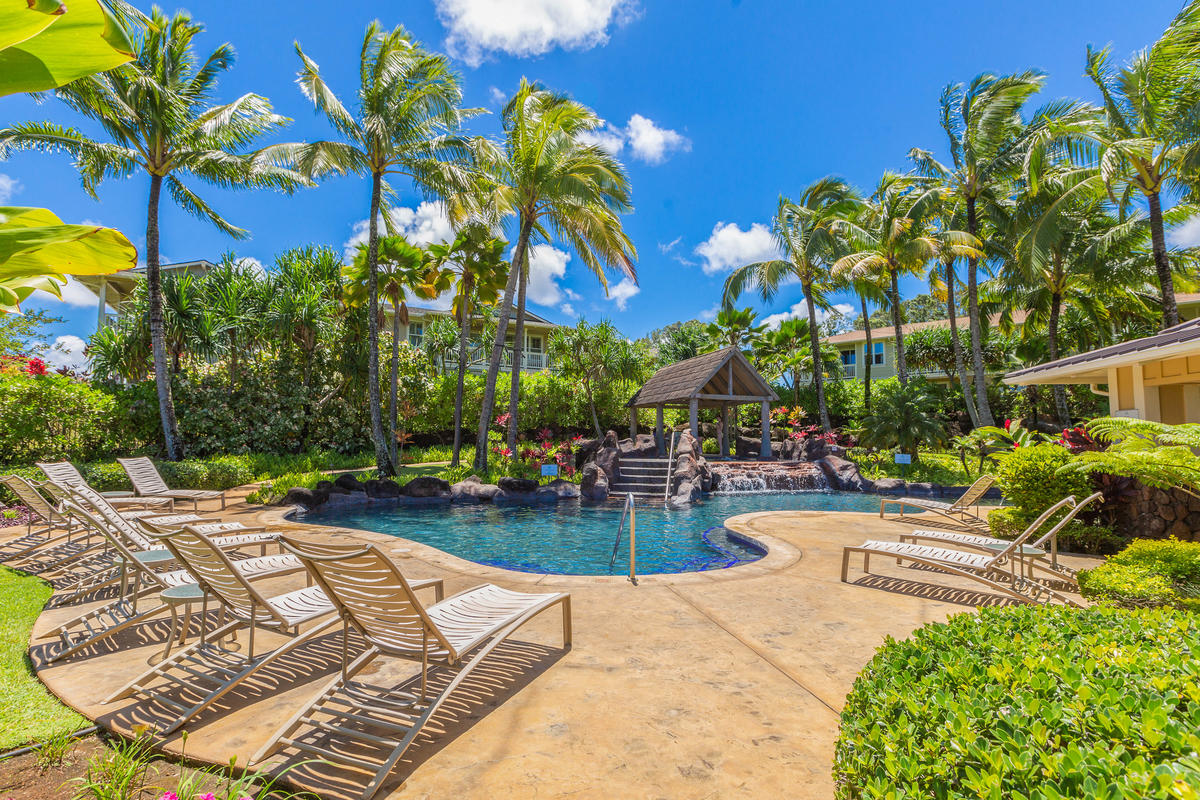
Large estates in Hawaiʻi can perform exceptionally well as vacation rentals when owners position them correctly. The demand exists, particularly among families, groups, and travelers seeking privacy, space, and a more personalized experience than traditional resorts offer.
Estate-style vacation rentals tend to attract longer stays and higher nightly rates, especially in markets like Maui, Kauaʻi, and the Big Island. Guests are often willing to pay a premium for features such as multiple bedrooms, expansive outdoor living areas, private pools, and ocean views. When the experience is well-managed, these properties can generate consistent income throughout the year, with peak demand aligning with holidays and seasonal travel patterns.
That said, owners need more than just a listing to succeed in this category. Hawaiʻi enforces specific regulations around short-term rentals, and these rules can vary significantly by island and county. Owners must understand where a property is eligible for vacation rental use and operate within those guidelines.
Equally important is execution. High-end guests expect a seamless experience, from booking to arrival to on-island support. This is where professional management becomes a key factor. With the right strategy and local oversight, a Hawaiʻi estate can become a strong-performing vacation rental that anchors a broader multi-use investment approach.
Income Stream #2: Weddings, Events, and Retreats
Can you host weddings or events on a Hawaiʻi estate? The short answer is yes, but it depends on zoning, permitting, and how the property is set up to accommodate guests.
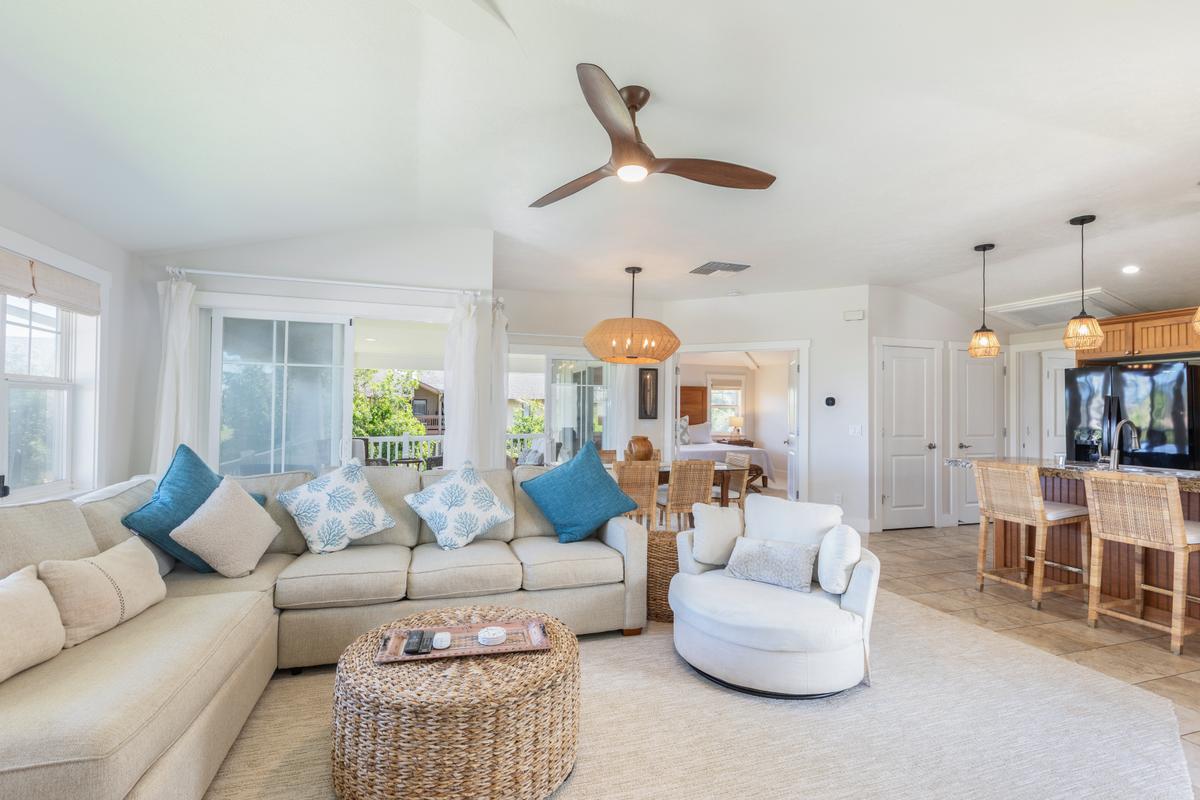
Private estates increasingly attract small weddings, corporate retreats, and wellness gatherings. Many travelers seek more intimate, customized experiences, and a well-located estate can provide a setting they can't find at a hotel or resort. This trend gives owners the opportunity to generate additional revenue beyond standard vacation rental bookings.
Owners can structure events in different ways. Some properties host a limited number of events per year to avoid overuse, while others focus on retreats that combine lodging with curated experiences. In both cases, the key is to balance revenue with the preservation of the property’s long-term condition.
Consider parking, noise, access, neighborhood impact, and the need for proper permits. Each island outlines its own requirements, so owners must navigate these correctly.
When owners plan event-based use thoroughly and thoughtfully, they can complement a vacation rental strategy and add meaningful income without requiring constant turnover. It comes down to finding the individual niche that works best for your unique property and area.
Income Stream #3: Land-Based Revenue Opportunities
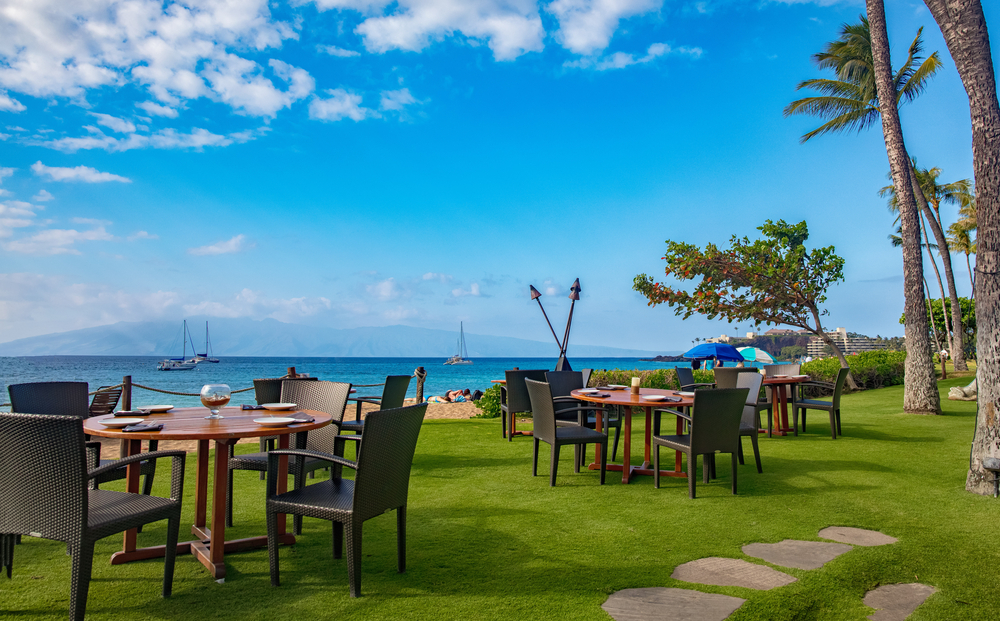
For properties with larger parcels of land, there is often untapped potential beyond traditional residential use. While agricultural activity is the most common approach, it is not the only option for generating income from land in Hawaiʻi.
Some owners choose to lease portions of their property to local farmers or agricultural operators, creating a steady and relatively low-maintenance revenue stream. Depending on how the land is used and classified, there may also be tax advantages tied to agricultural use.
Beyond farming, certain properties may be suitable for experiential or activity-based partnerships. In the right location, land can be used for guided experiences such as horseback riding, nature tours, or other outdoor activities that align with the surrounding environment. These uses can generate additional income while enhancing the property's overall value and appeal.
Of course, feasibility depends on zoning, access, and the surrounding community. Not every property will be a fit for these types of uses, but for estates with sufficient acreage and the right positioning, land-based opportunities can play a meaningful role in a diversified multi-use strategy.
Income Stream #4: Film, Photography, and Production Use
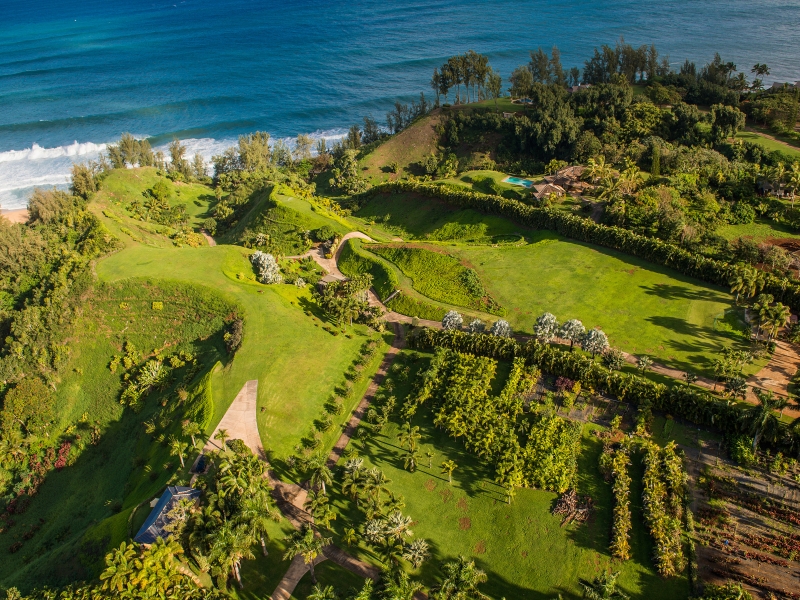
Film, television, and commercial production companies continue to seek Hawaiʻi as a location. Estates that offer privacy, unique architecture, or standout natural features attract these short-term rentals.
Production bookings are typically less frequent than vacation stays or events, but they can yield high returns over a short period. A single shoot may span a few days to a week and can command premium rates, depending on the scope of the project.
This type of use works best for properties that are visually distinctive and easily accessible for crews. While it may not be a primary income stream, it can be a valuable addition to a diversified multi-use strategy when opportunities arise.
Legal and Zoning Considerations Across the Islands
Hawaiʻi does not apply regulations uniformly. Rules around vacation rentals, events, and land use vary by island and county. Owners must understand what their specific property allows before pursuing any multi-use strategy. Fully understanding local zoning and permitting requirements is essential before introducing new uses to your property.
Vacation rental regulations differ across Oahu, Maui, Kauaʻi, and the Big Island; some areas allow short-term rentals while others impose strict limitations. Owners who want to host events, including weddings and retreats, also need permits and must comply with zoning laws, occupancy limits, and noise ordinances. Agricultural zoning may present additional opportunities, but also requires owners to meet specific requirements to remain compliant.
Because these guidelines can change and are often nuanced, relying on accurate, up-to-date local knowledge is essential. What works on one island or even within one neighborhood may not apply elsewhere.
Working with a team that understands Hawaiʻi real estate at a local level helps ensure that your investment strategy aligns with current regulations while avoiding unnecessary risk. It also allows you to identify opportunities that may not be immediately obvious when reviewing zoning codes on your own.
What to Look for When Buying or Converting a Hawaiʻi Estate
Not every property is equally suited for a multi-use approach. Whether you are purchasing a new estate or evaluating one you already own, certain factors will influence how effectively it can support multiple income streams.
Location is one of the most important considerations. Each island offers different advantages, from accessibility and tourism demand to privacy and available land. Within each island, micro-locations matter just as much. Proximity to beaches, resorts, or popular attractions can support vacation rental demand, while more secluded areas may be better suited for retreats or land-based uses.
The property's physical characteristics also play a role. Layout, access, parking, and infrastructure all affect how the estate can function for guests, events, or additional uses. Larger parcels with flexible zoning may offer more opportunities, especially if portions of the land can be used independently.
Finally, it is worth considering long-term flexibility. A property that can adapt over time will be better positioned to respond to market changes and protect its overall value.
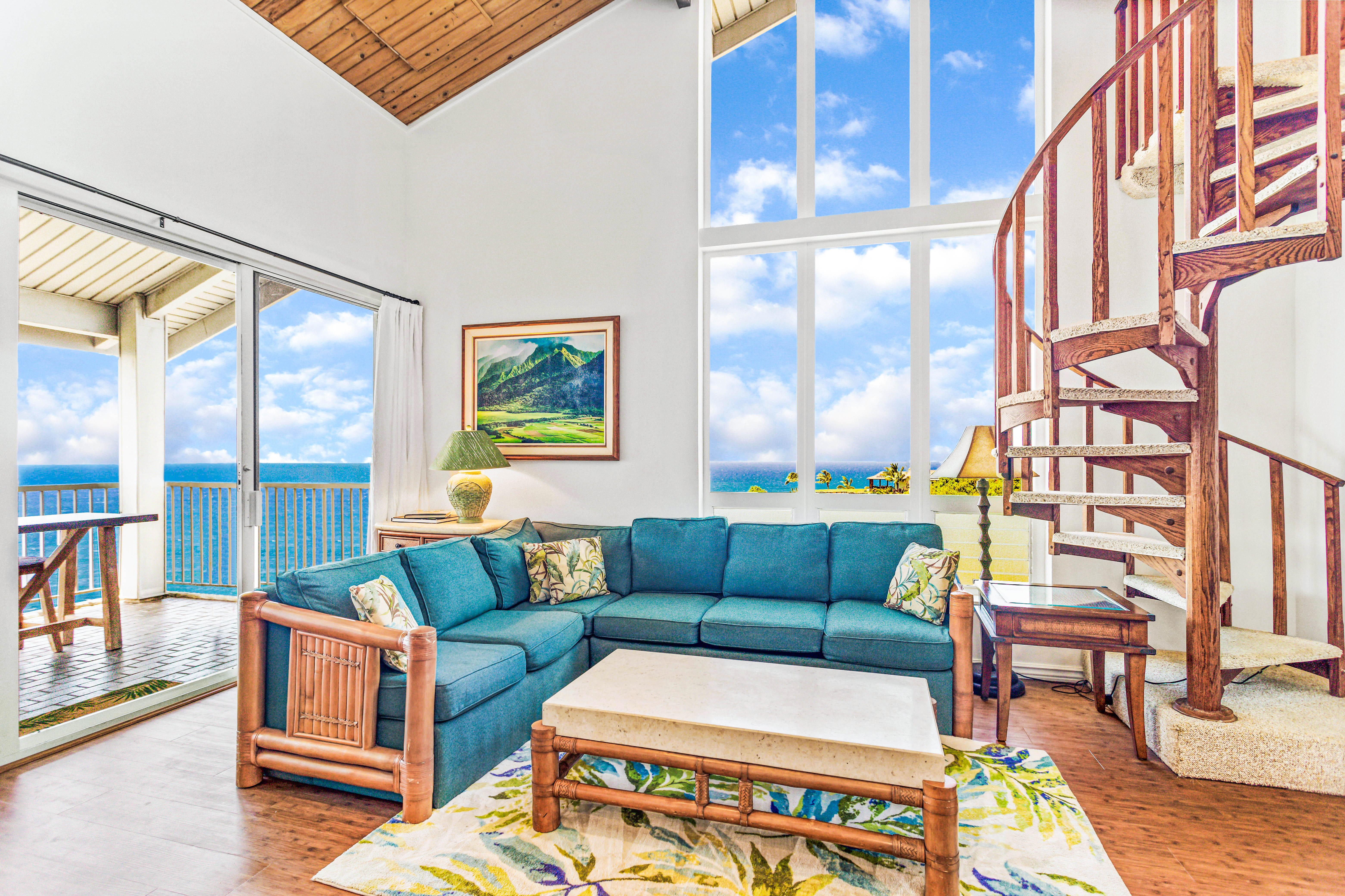
Managing a Multi-Use Property Successfully
While a multi-use strategy can unlock additional revenue, it also introduces complexity that requires careful management. Coordinating bookings, maintaining the property, and ensuring a consistent guest experience across different types of use is not something that can be handled casually.
Vacation rental guests expect a high standard of service, while events and retreats bring their own logistical requirements. Scheduling, staffing, cleaning, and maintenance all need to be aligned to avoid conflicts and ensure the property is always presented at its best.
For many owners, especially those who are not based on the island full-time, having reliable on-island support is essential. A local team can manage day-to-day operations, respond to issues quickly, and help maintain compliance with evolving regulations.
This is where working with an experienced property management company becomes valuable. With the right systems and local expertise in place, a multi-use property can operate smoothly while delivering consistent returns.
Building a Smarter, More Flexible Investment
Turning a Hawaiʻi estate into a multi-use investment property is ultimately about unlocking the full potential of what you already own or are considering purchasing. By combining vacation rentals, event-based use, and land-based opportunities, owners can create a more resilient and flexible approach to generating income.
There is no single formula that works for every property. Success depends on location, zoning, and how thoughtfully each revenue stream is integrated into the overall strategy. With the right planning and local guidance, a multi-use approach can enhance both short-term performance and long-term value.
If you are exploring how to position your property or looking to invest in Hawaiʻi real estate, Hawaiʻi Life offers the experience and on-island insight to help you move forward with confidence. Connect with our team to learn how Hawaiʻi Life can support your property goals in Hawaii.