
Owning a vacation rental in Hawaiʻi means maintaining a property in one of the world’s most desirable destinations in the world. It also means competing for guests in a market with high expectations. The right renovations can help a property stand out, improve the guest experience, protect the home from Hawaiʻi’s unique climate, and potentially increase both rental performance and long-term property value.
As one of Hawaiʻi’s most trusted names in real estate, property management, and vacation rental management, Hawaiʻi Life understands that successful improvements aren’t necessarily the biggest or most expensive. The best upgrades make sense for the individual property, its location, and the guests it attracts. A beachfront condo may have very different priorities than a large private home designed for families and groups.
Today’s guests are also paying closer attention to how and where they stay. Comfort, modern amenities, outdoor living, and thoughtful design remain important, while sustainable features and environmentally conscious practices are becoming increasingly relevant to visitors who want to reduce their impact while enjoying the islands.
Whether you’re preparing to renovate an existing Hawaiʻi vacation rental or improving a new investment property, focusing on the right projects can protect your investment while creating a more comfortable, competitive, and appealing place for guests to stay.
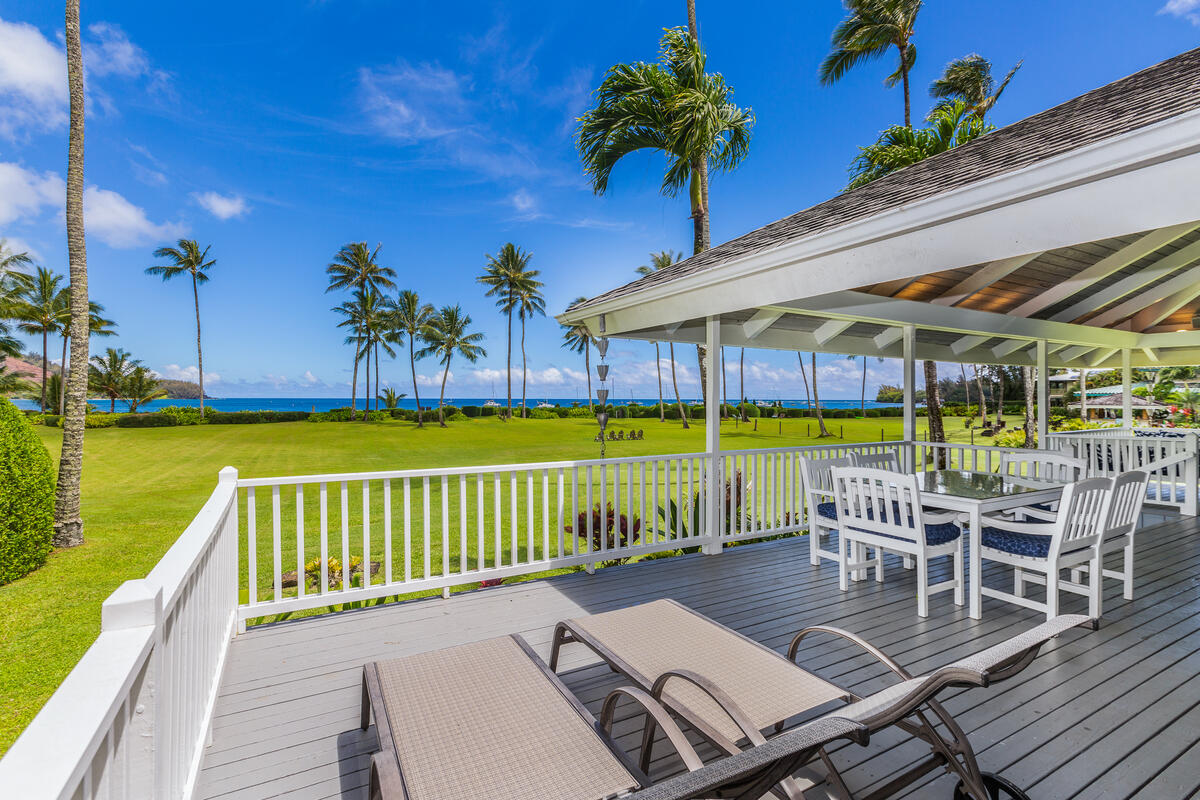
Renovate for Both Property Value and Guest Appeal
A successful vacation rental renovation should consider two audiences: the guests staying in the property today and potential buyers who may evaluate the home in the future. Improvements that serve both purposes can offer the greatest long-term value.
Before renovating, consider the property’s location, condition, size, and typical guests. Families may prioritize functional kitchens, multiple bathrooms, storage, and durable finishes, while couples may prioritize privacy, outdoor living, and a comfortable primary suite. Properties near the ocean also require materials that can better withstand salt air, moisture, and frequent exposure to sand.
It can be tempting to renovate based entirely on personal taste, but a vacation rental should appeal to a broad range of guests. A clean, timeless design with durable materials generally provides greater flexibility than highly personalized finishes that may quickly feel dated.
Kitchen Renovations That Make a Difference
A full kitchen is one of the major advantages a vacation rental can offer over traditional hotel accommodations, particularly for families, groups, and guests planning longer stays.
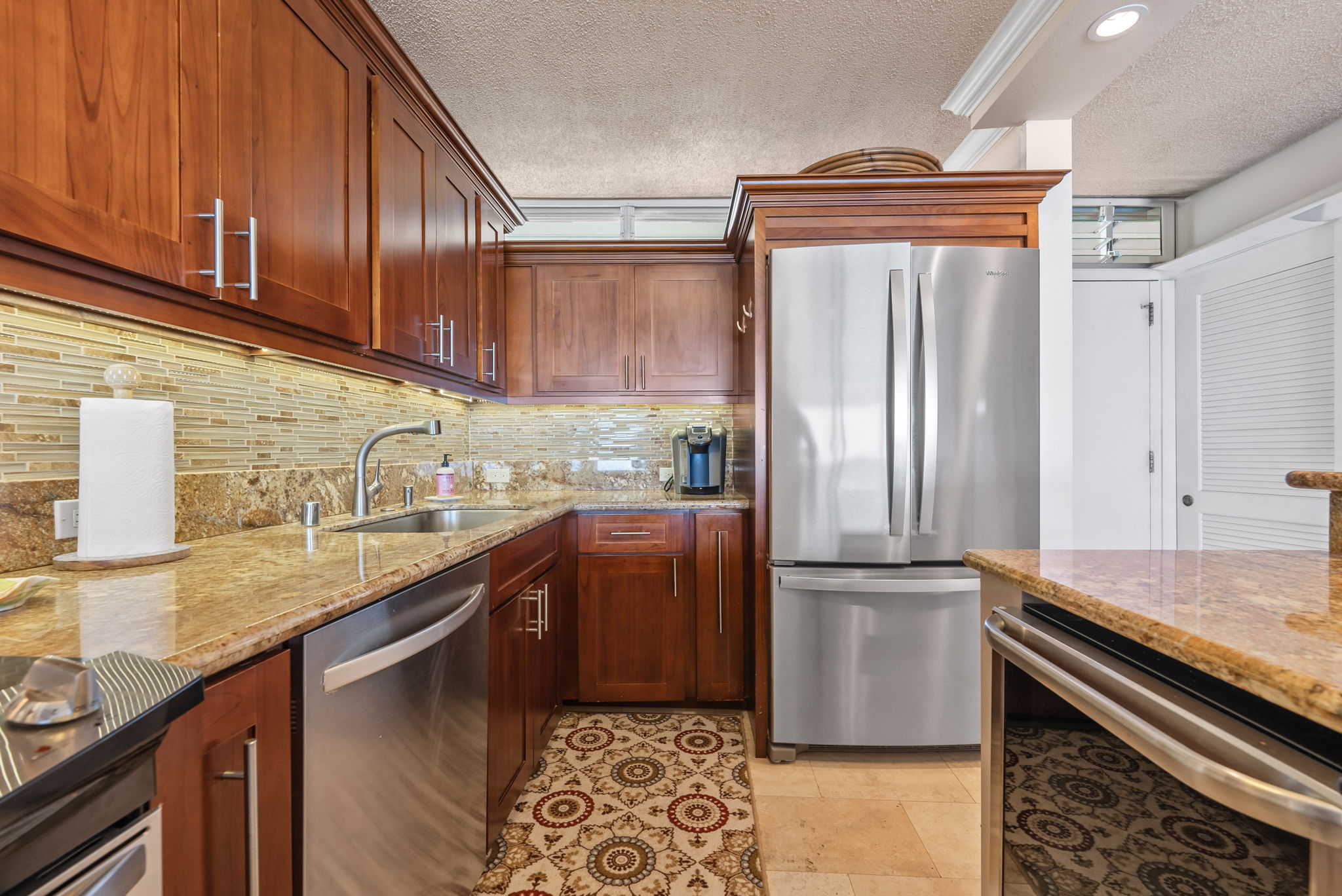
Kitchen renovations don’t necessarily need to be elaborate to make an impact. Updated energy-efficient appliances, durable countertops, quality cabinetry, good lighting, and easy-to-clean surfaces can improve both appearance and functionality. Owners should also make sure there’s sufficient storage, cookware, dishes, and dining space for the number of guests the property accommodates.
In Hawaiʻi, durability deserves particular attention. Select materials with humidity, frequent use, and ongoing cleaning in mind. A thoughtfully designed kitchen that is attractive without being overly delicate can be easier to maintain while still creating a space guests enjoy using.
Bathroom Upgrades That Improve Comfort and Value
Bathrooms are another area where dated finishes can quickly affect a vacation rental's overall impression. Updating them can make the entire property feel fresher without necessarily requiring major structural changes.
Walk-in showers, updated fixtures, improved lighting, practical storage, durable surfaces, and good ventilation can all improve comfort and functionality. In Hawaiʻi’s humid climate, proper ventilation is especially important for managing moisture and protecting finishes over time.
For larger vacation homes, functionality can matter as much as appearance. Families and groups benefit from bathrooms that are easy to share, offer enough storage for personal items, and let multiple guests get ready comfortably. When renovating, aim for a clean, durable, low-maintenance space that fits the property and its overall design.
Create Better Indoor-Outdoor Living
One of the greatest advantages of owning a vacation rental in Hawaiʻi is the opportunity to make outdoor living part of the guest experience. A well-designed lanai can become another living or dining area, giving guests more usable space while letting them enjoy the climate and surroundings.
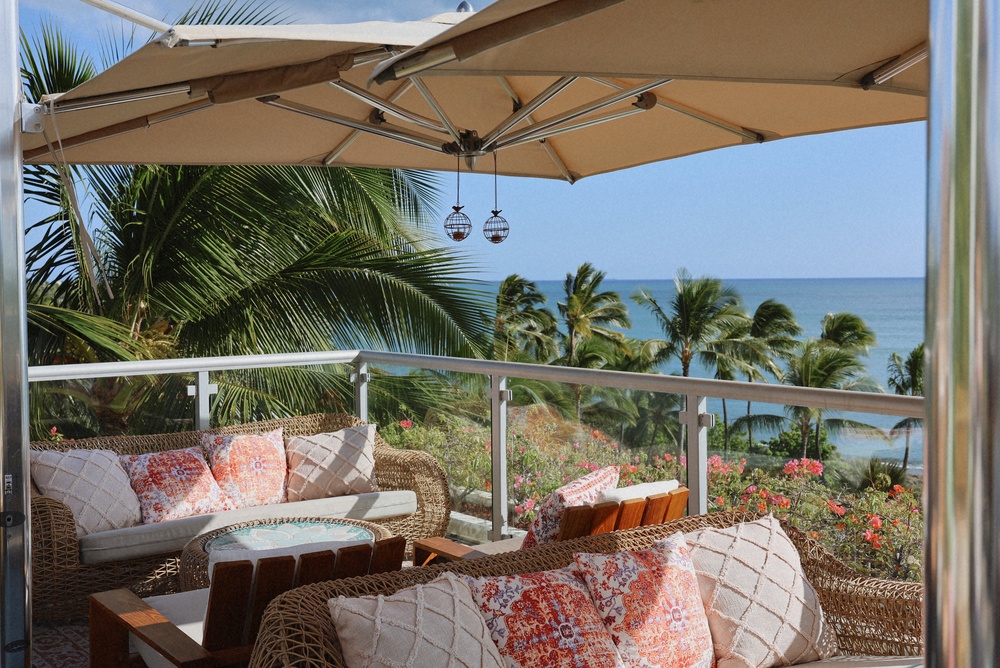
Comfortable outdoor seating, dining areas, shade, quality lighting, and grilling spaces can transform an underused exterior area into a place guests actually want to spend time. Depending on the property, outdoor showers can also be a practical addition for rinsing off after the beach.
Landscaping should complement these spaces without creating unnecessary maintenance. Thoughtful planting can improve privacy, provide shade, and make outdoor areas feel more inviting while helping the property blend naturally into its island setting.
Upgrade Air Conditioning, Ventilation, and Climate Control
Guest comfort is an important consideration when deciding where renovation dollars will have the greatest impact. In Hawaiʻi, efficient air conditioning and ventilation can make a noticeable difference, particularly in warmer locations and during humid periods.
Older air-conditioning systems may benefit from replacement with more efficient options, while ceiling fans can improve airflow and reduce reliance on AC. Proper bathroom and kitchen ventilation also helps control moisture and protect the property over time.
Smart thermostats and other straightforward climate controls can help owners manage energy consumption while keeping the home comfortable for guests. Whatever system is installed should be intuitive and easy to operate. Vacation rental technology works best when guests barely have to think about it.
Choose Materials That Can Handle Hawaiʻi’s Climate
Renovating a Hawaiʻi vacation rental requires thinking beyond appearance. Salt air, humidity, intense sunlight, sand, and frequent guest turnover can take a toll on finishes, fixtures, furniture, and building materials.
Properties near the ocean may experience accelerated corrosion, making corrosion-resistant hardware, fixtures, and outdoor materials particularly valuable. Flooring should be durable and easy to clean, while outdoor furniture and fabrics should withstand strong sun and moisture. Exterior paint and finishes should also suit Hawaiʻi’s climate and the property's specific exposure.
Choosing durable materials may cost more initially, but longevity and ease of maintenance are important parts of vacation rental ROI. A beautiful finish that requires frequent repair or replacement may ultimately provide less value than a durable alternative designed for the environment.
Sustainable Upgrades That Appeal to Today’s Guests
Sustainability is becoming an increasingly important part of how many visitors make travel decisions. For Hawaiʻi vacation rental owners, environmentally conscious upgrades can help reduce resource consumption, lower certain operating costs, and make a property more appealing to guests who prioritize sustainable travel.
Larger improvements include solar power, energy-efficient appliances and air-conditioning systems, smart thermostats, low-flow plumbing fixtures, LED lighting, and water-conscious landscaping. Native and drought-tolerant plants can also reduce irrigation needs while creating outdoor spaces that feel appropriate to the island environment.
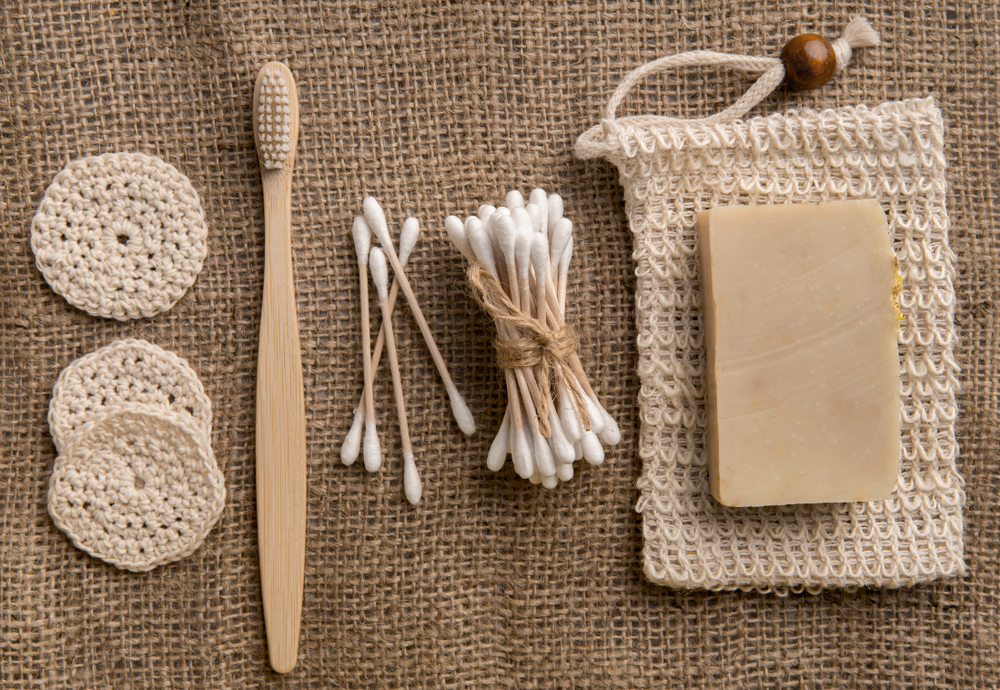
Smaller choices matter as well. Refillable toiletries, recycling options, reusable kitchen supplies, non-toxic dish soap and laundry detergent, environmentally conscious cleaning products, and reducing single-use plastics can all contribute to a more sustainable guest experience.
These improvements also allow owners to communicate their commitment to responsible tourism. When sustainable features are clearly described in a vacation rental listing, environmentally conscious guests will definitely factor this into their decisions when choosing where to stay.
Improve Outdoor Amenities
Outdoor spaces can be among the most memorable parts of a Hawaiʻi vacation rental. Improving an existing pool area, lanai, garden, or yard can add usable living space without changing the home's interior footprint.
Depending on the property, upgrades might include comfortable outdoor furniture, shaded seating, a dining area, updated pool decking, a hot tub, outdoor lighting, a barbecue area, or improved landscaping and privacy. Homes near the beach may also benefit from an outdoor shower or dedicated storage for beach equipment.
Not every vacation rental needs a pool or major outdoor renovation. The goal should be to maximize what the property already offers. A small lanai with comfortable seating and a beautiful view can be more valuable to the guest experience than an expensive amenity that requires substantial maintenance.
Smart Technology and Guest-Friendly Convenience
Technology can make a vacation rental easier for both guests and owners when it solves practical problems without complicating the stay.
Keyless entry eliminates the need to coordinate physical keys, while reliable high-speed Wi-Fi has become an expectation for most guests. Smart thermostats can help manage energy use, and convenient charging options make it easier for visitors traveling with multiple devices.
Owners may also consider easy-to-use televisions and clearly labeled controls for lighting, fans, air conditioning, and other systems. The emphasis should remain on simplicity. Guests shouldn't need lengthy instructions to operate basic home features.
Thoughtful technology upgrades can improve convenience and efficiency, but adding technology simply because it is new doesn't necessarily increase vacation rental value. The most useful upgrades make the property easier and more comfortable to use.
Comfortable Beds and Quality Bedding Matter
A beautiful vacation rental can quickly lose its appeal if guests don’t sleep well. Comfortable, high-quality mattresses are an important investment, especially because guests may mention uncomfortable beds in reviews, and future visitors often read those reviews carefully before booking.
Bedding matters too. Soft, breathable cotton or other natural-fiber linens can be especially comfortable in Hawaiʻi’s warm climate, while quality pillows and fresh, well-maintained bedding help create the restful environment guests expect on vacation.
Obviously, sleep is essential to a relaxing vacation. Guests may spend their days exploring the islands, swimming, hiking, or sightseeing, but they return to the property to rest and recharge. Investing in comfortable beds and quality bedding is a relatively straightforward way to improve an experience guests will appreciate every single night of their stay.
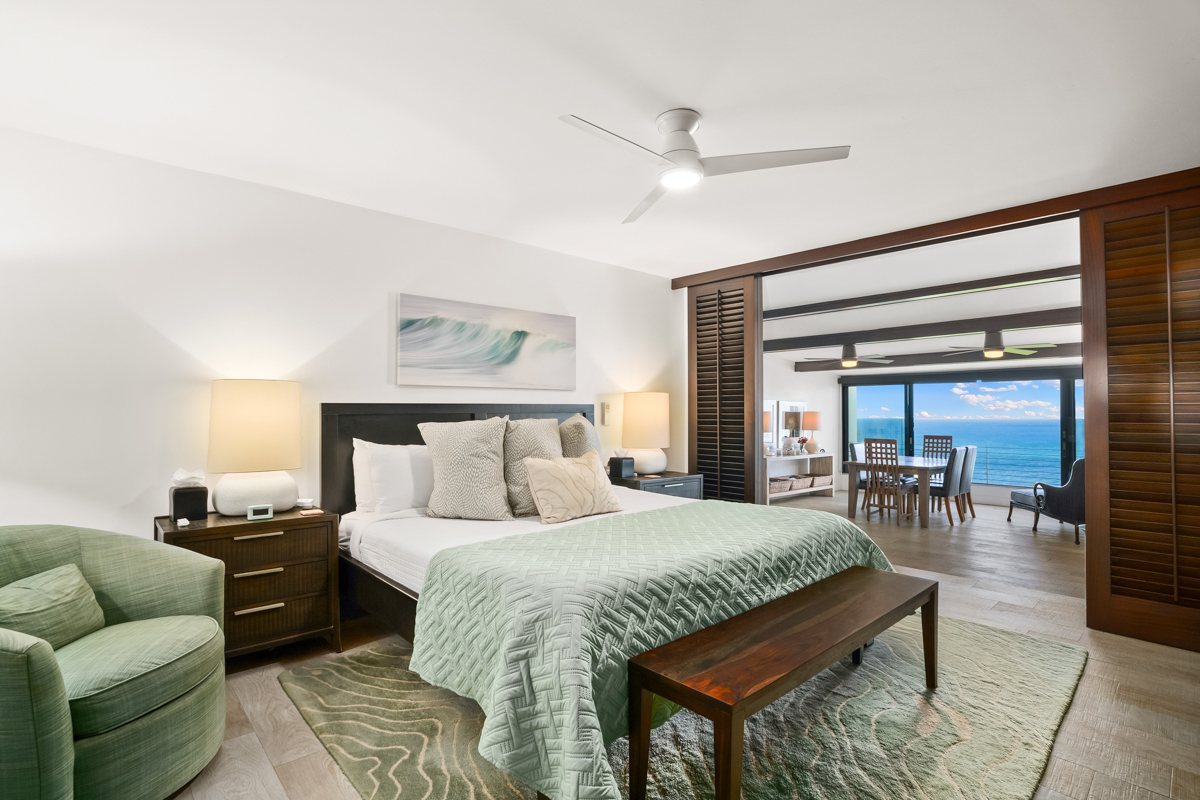
Don’t Overlook the Small Upgrades
Not every improvement needs to involve a major renovation. Smaller updates can significantly change how a vacation rental looks, feels, and functions without requiring extensive construction.
Fresh interior paint, updated lighting, quality natural fiber linens, cohesive furnishings, modern window treatments, and replacing visibly worn furniture can quickly refresh a property. Practical additions such as luggage racks, hooks, additional storage, bedside charging options, and designated spaces for beach equipment can also improve the guest experience.
Regularly walking through the property from a guest’s perspective can help identify these opportunities. Worn towels, scratched cookware, dated lamps, uncomfortable outdoor furniture, or difficult-to-use storage may seem minor individually, but together they influence how guests perceive the home.
Renovations That May Not Deliver the ROI You Expect
More expensive does not always mean more valuable. Over-improving a vacation rental relative to comparable properties in the area can lead to renovation costs that may be difficult to recover through rental performance or future resale.
Highly personalized design choices can also limit broad appeal. Vacation homes generally benefit from a cohesive style, but unusual finishes, overly specific themes, or features designed around an owner’s personal preferences may not resonate with every guest.
Owners should also consider the ongoing costs a renovation creates. Complicated technology, delicate materials, elaborate landscaping, or amenities that require frequent servicing may increase maintenance without providing enough added value to justify the expense.
Before undertaking a major project, consider whether the improvement addresses something guests actually value, improves the property’s functionality, protects the home, or strengthens its position within the local market.
Frequently Asked Questions
What renovations add the most value to a Hawaiʻi vacation rental?
Kitchens, bathrooms, indoor-outdoor living areas, climate control, durable finishes, and well-designed outdoor spaces can all improve a vacation rental. The most valuable renovations depend on the individual property, its condition, location, and target guests.
What upgrades have the best ROI for vacation rentals?
No single upgrade guarantees the best return. Improvements that address existing weaknesses, increase functionality, reduce maintenance, or enhance features guests already value may provide a stronger return than purely cosmetic or highly specialized renovations.
What amenities do Hawaiʻi vacation rental guests want most?
Preferences vary, but guests often value comfortable outdoor spaces, reliable Wi-Fi, air conditioning where appropriate, functional kitchens, laundry facilities, convenient beach access, and amenities suited to the property’s location and guest capacity.
Should I renovate the kitchen or bathroom first?
Start with whichever space is most dated, least functional, or most likely to affect the guest experience. Let the property’s existing condition and renovation budget guide the decision, rather than assuming one room always delivers a better return.
Do sustainable upgrades make a vacation rental more appealing?
They can. Many guests consider sustainability when making travel decisions, and features such as solar energy, efficient appliances, water conservation, refillable amenities, and environmentally conscious household products can help a property appeal to visitors interested in more responsible travel.
What outdoor upgrades add value to a Hawaiʻi vacation home?
Comfortable lanais, shaded seating, outdoor dining areas, thoughtful landscaping, privacy improvements, outdoor showers, and upgraded pool or spa areas can enhance outdoor living. The best improvements take advantage of the property’s existing setting and climate.
How can I make my Hawaiʻi vacation rental more competitive?
Focus on the complete guest experience rather than any single renovation. A well-maintained property with thoughtful amenities, durable finishes, comfortable indoor and outdoor spaces, modern conveniences, and professional management is better positioned to compete in its local market.
Invest in Improvements That Make Sense for Your Property
The most effective vacation rental renovations are not necessarily the largest or most expensive. They are the improvements that make a property more comfortable for guests, easier to maintain, better suited to Hawaiʻi’s climate, and more competitive within its individual market.
From updated kitchens and bathrooms to improved outdoor living, durable materials, sustainable features, and simple technology, each renovation should have a clear purpose. Owners should also consider long-term maintenance and operating costs alongside potential increases in property value and vacation rental performance.
Hawaiʻi Life brings together local expertise in real estate, property management, and vacation rental management across the islands. If you’re considering renovating an existing Hawaiʻi vacation rental, purchasing an investment property, or looking for professional management, contact Hawaiʻi Life to discuss your property, goals, and opportunities for maximizing its long-term potential.